THE AFRICA TIMES | EGYPT —
Egypt has unveiled two ancient tombs in the Al-Khokha archaeological zone, located on Luxor’s West Bank. This significant discovery offers a rare insight into a period widely deemed the apex of ancient Egyptian civilization.
### Historical Significance
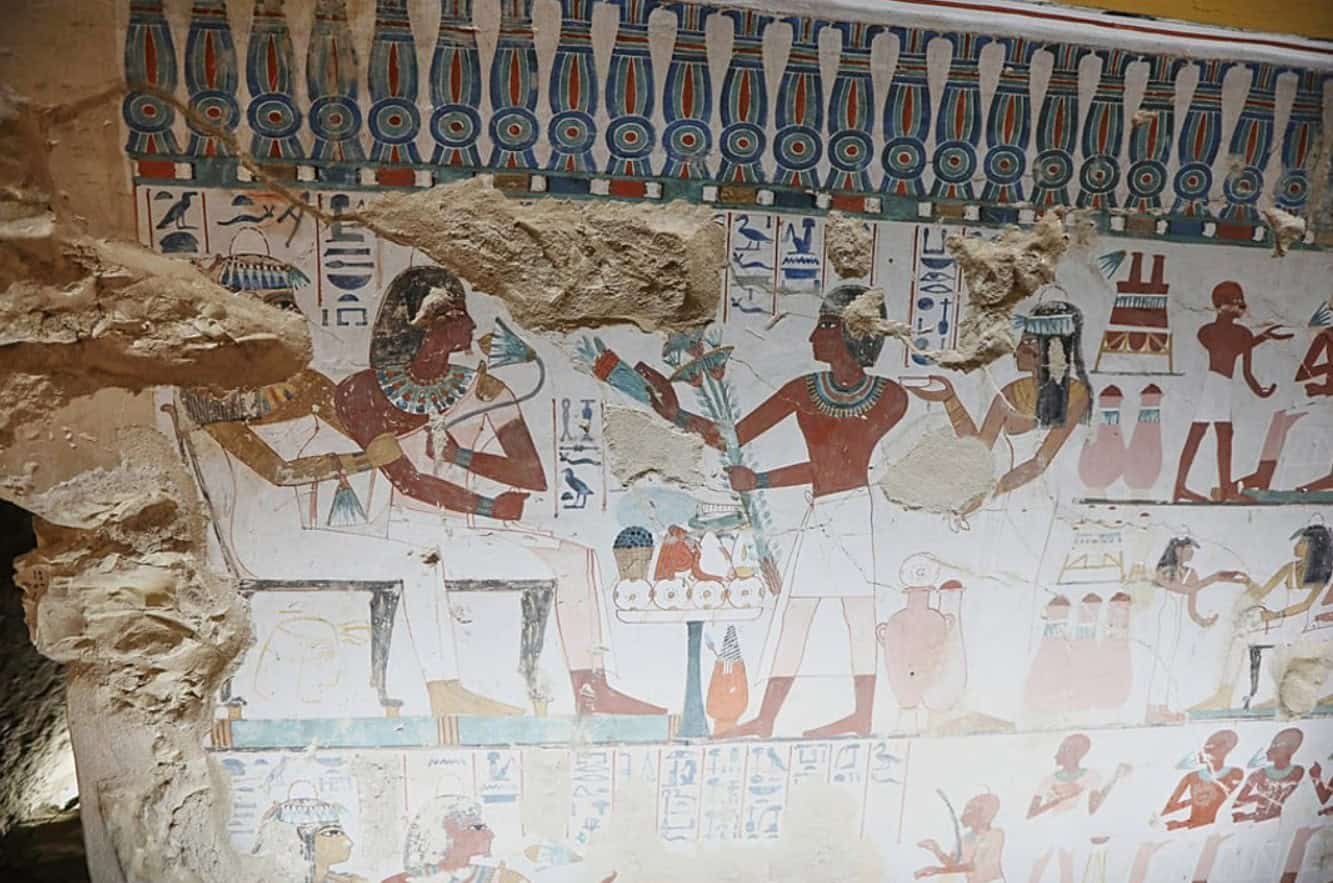
The newly opened tombs belonged to Amenhotep-Rabuia and his son Samut. Both individuals served as gatekeepers to the god Amun during the 18th Dynasty under the reign of notable pharaohs.
### Archaeological Features
These tombs showcase extraordinary architectural design and inscriptions. The intricate carvings and hieroglyphs provide vital context regarding the sociopolitical and religious landscape of their time.

### Visitor Experience
The Egyptian Ministry of Tourism and Antiquities has announced that the public will have access to these tombs. This initiative aims to enrich the visitor experience while promoting awareness of ancient Egyptian heritage.
### Cultural Impact

Archaeologists and historians anticipate that these findings will deepen understanding of