THE AFRICA TIMES | SOUTH SUDAN —
JUBA— The trial of suspended First Vice President Riek Machar Teny continued on Monday. The proceedings involved the presentation of digital evidence by a South African forensic expert. The case also involves seven co-accused individuals.
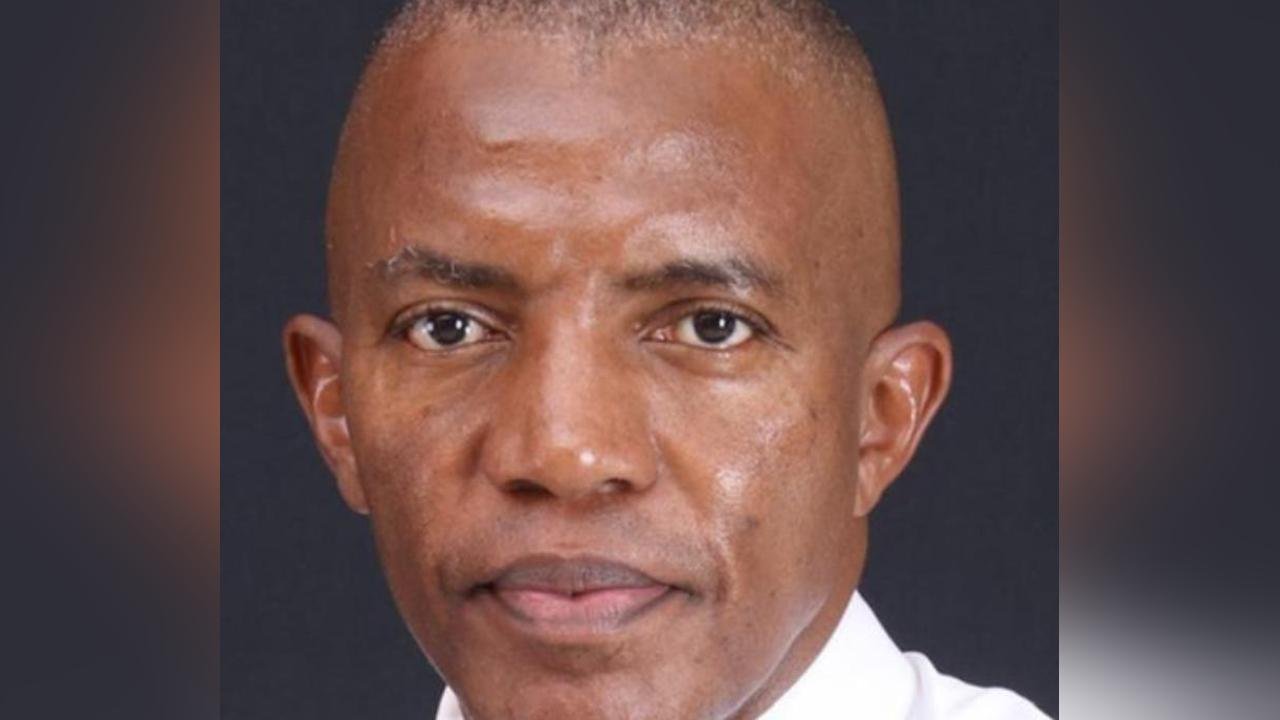
Ratlhogo Peter Calvin Rafadi, the digital forensic expert, testified before the Special Court. He stated that hash values were generated during the analysis of electronic devices. These devices are reportedly linked to the ongoing case.
Rafadi affirmed that the hash values were derived from the cellphones. These phones were associated with the accused persons. He also stated that he had meticulously exported and labeled each one.
Hash Values and Defense Objections
Hash values serve as unique digital fingerprints for electronic files. Forensic investigations utilize them to verify data integrity. Any alteration to the original data would result in a different hash value.
Dr. Geri Raymond Legge, Machar’s lead defense lawyer, contested the validity of the submitted hash values. Legge dismissed them as “mere paper” instead of authentic hash values. The defense argued that hash values should be presented as raw, tangible evidence extracted directly from the devices, specifically WhatsApp data.
Dr. Geri emphasized the absence of essential elements on the documents, such as signatures, names, dates, and stamps. He requested the court to examine the phones of each accused. This examination aimed to validate the contents of the devices.
Consequently, the defense rejected the presented documents. They argued that these lacked intrinsic value and evidentiary weight.
Prosecution’s Response and Court Ruling
Ajo Ony’Ohisa, the lead prosecutor, accused the defense of employing delaying tactics. He claimed they were introducing preliminary issues leading to confusion of the court. The prosecution urged the court to intervene.
Ohissa contended that the defense avoided questioning the expert’s report. He argued they should address the existing report before the court. Presiding Judge James Alala Deng subsequently rejected the defense’s application.
Judge Deng then admitted the hash values as prosecution evidence. The judge then instructed the defense to proceed with their cross-examination of the expert.
Trial Adjournment and Key Personnel
The court adjourned the trial until Wednesday, March 18, to allow for the continuation of Rafadi’s cross-examination. The three-judge panel overseeing the case includes Presiding Judge James Alala Deng, alongside Judges Stephen Simon Isaac and Pur Majok.
The prosecution team is composed of 13 lawyers. These lawyers represent the Ministry of Justice and other legal offices. Senior members of the prosecution include Counsel General Deng Achuil Adija and Dr. Sabri Wani Lado.

The team also includes Serafino Simon Mizan and Filberto Mayuot Mareng. A substantial team of advocates and legal officers supports them. They include Ajo Onyo Issa, Gabriel Mading Apach, and Deng Mabior Deng.
The prosecution team includes Philip Anyang Ngong, Ajak Mayol Bior, and Martha Jobet Jermaiha. James Bone Michael, Peter Garang, and Butrouse Yai Adhiew are also present.
The defense team includes six lawyers. They are Dr. Geri Raimondu Lege and Kur Lual Kur. Also representing the defense are Anis Tombe Augustino and Deng John Deng.
The defense is also represented by Warnyang Kiir Warnyang and Regina Akeriaw Deng. Major General Basile Thomas Wani leads the prosecution’s investigations. Brigadier General John Dak assists him.
The complainant in the case is Captain Richard Gachi Apollo. He is from the Internal Security Service.
Accused Individuals and Future Implications
The eight accused individuals include Puot Kang Chuol, aged 40, and Mam Pal Dhuor, aged 37. Gatwech Lam Puoch, aged 66, and Lt. Gen. Gabriel Duop Lam, aged 53, are also accused.
Dr. Riek Machar Teny, aged 73, also faces charges. As do Camilo Gatmai Kel, aged 47, and Mading Yak Riek, aged 45. Dominic Gatgok Riek, aged 27, is also among the accused.
The formal inclusion of the digital forensic report marks a pivotal moment in the trial. The upcoming expert’s testimony and cross-examination will likely shape the trial’s trajectory. The high-profile trial will continue.