THE AFRICA TIMES | SOUTH SUDAN —
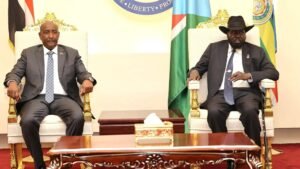
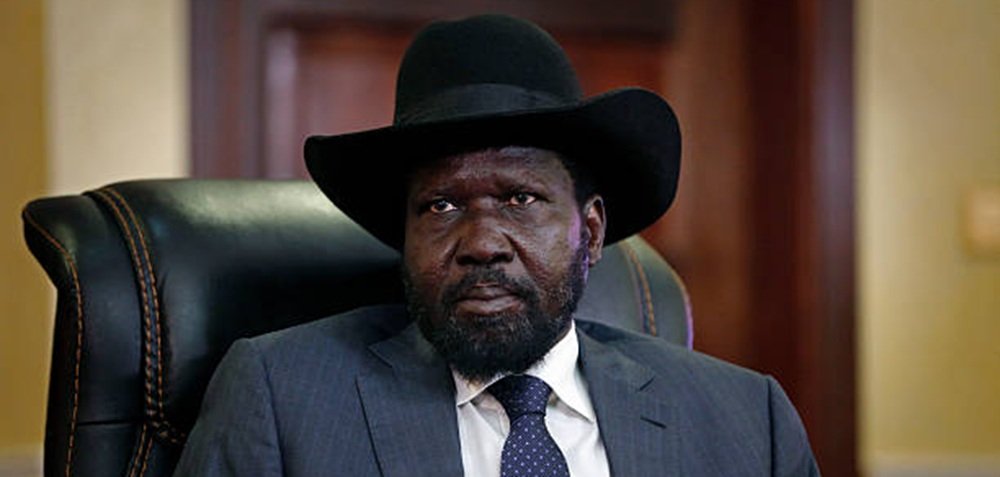
President Salva Kiir Mayardit has instructed cabinet ministers from the Greater Upper Nile region to visit their constituencies. These visits aim to foster peace and security through direct community engagement. The order impacts ministers from Unity State, Upper Nile State, and Jonglei State.
This region has experienced the brunt of South Sudan’s civil war. It has also been the origin of most of the country’s influential rebel movements.
Presidential Directive
Mandate for Community Engagement
Kiir’s office released a statement after a meeting with ministers from the Upper Nile region. The president emphasized that consistent community engagement is critical. It could restore public confidence in areas recovering from years of conflict.
The directive also seeks to counter misinformation. It aims to rebuild trust in the government and strengthen the fragile peace process.
Ministerial Response
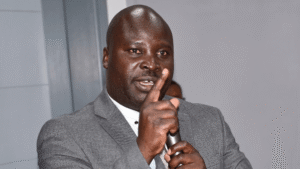
Peter Lam Both, the Minister of Roads and Bridges, voiced his support. He stated that ministers are ready to engage local populations. They plan to discuss peace and development initiatives.
Context of Instability
Greater Upper Nile Region
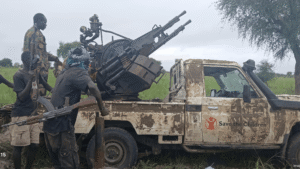
The Greater Upper Nile region has been the focal point of intense conflict. Government forces and opposition groups have clashed repeatedly since 2013. The Sudan People’s Liberation Movement in Opposition (SPLM-IO), led by First Vice President Riek Machar, maintains its political and military base there.
Power struggles, ethnic divisions, and competition for resources have fueled the emergence of armed groups. Specifically, these groups come from Upper Nile, Unity, and Jonglei. Despite the 2018 peace agreement, violence persists across the region.
Impact of Conflict
Years of warfare have devastated communities in northern, central, and eastern South Sudan. Basic services are lacking and have collapsed in many rural and urban areas. This devastation includes health facilities, schools, roads, and clean water systems.
Residents in the Greater Upper Nile region have expressed feelings of neglect regarding service delivery. This is in spite of the region’s production of senior leaders and oil.
Governance Challenges
Centralization of Power
Insecurity has resulted in the centralization of much of South Sudan’s governance in Juba. Many state governors operate from the capital instead of their states. Fear and political uncertainty contribute to this pattern.
Remaining close to the central government is seen as politically safer. Prolonged absence from Juba is perceived as risky for officials. This environment has led to entrenched politicking and weak local administrations.
Reversing Negative Trends
Kiir’s directive attempts to reverse the concentration of power in Juba. It seeks to deploy senior officials back to the conflict-affected Upper Nile region. This occurs amid ongoing local conflicts and communal violence.
Prospects for Peace
Fragile Peace
South Sudan emerged from a five-year civil war in 2018 under a fragile peace deal. However, cycles of revenge attacks and land disputes continue to trap the Upper Nile region.
Analysts suggest the directive’s success hinges on tangible improvements in security and services. It will be important to see if the directive leads to actual improvements, or if it remains merely symbolic.