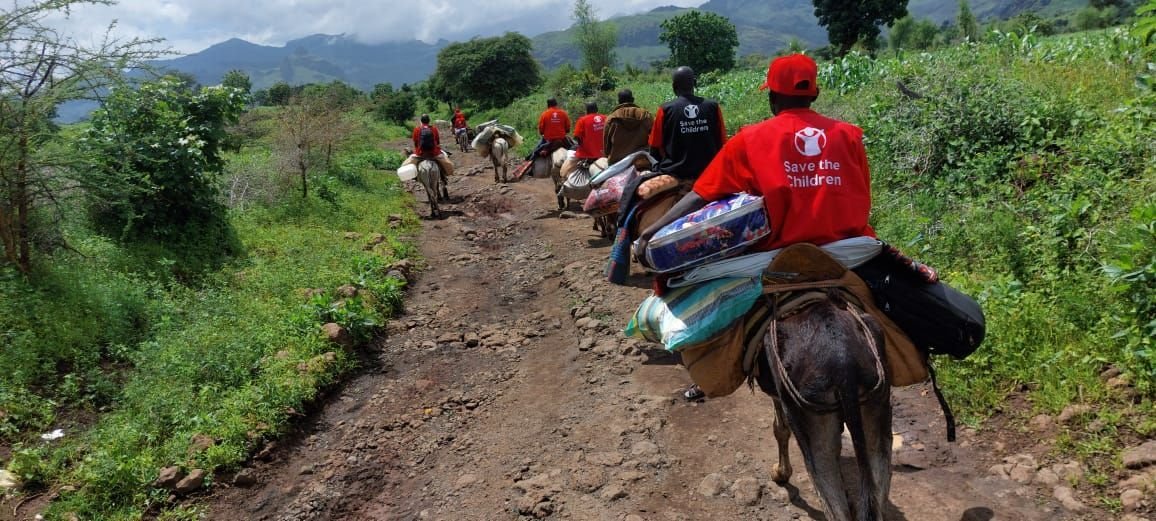
TARSIN, DARFUR — After days of isolation, lifesaving aid has finally reached Tarsin village in Darfur following a deadly landslide that left the community cut off from the outside world. A Save the Children emergency team completed an arduous ten-hour journey on donkeys through treacherous mountain terrain to deliver critical relief on the ground.
Mobile Clinics Deployed in Remote Village
Upon arrival from their base in Golo, the team immediately set up mobile health clinics to serve survivors. Emergency medical staff began treating injuries and addressing acute health concerns that had gone unattended since the disaster struck. The rapid response included essential medical supplies, personal protective equipment, and clean water to prevent the outbreak of waterborne diseases.
Coordinated Humanitarian Effort Underway
An inter-agency assessment is now underway to evaluate the full scale of the damage and humanitarian needs. United Nations partners are preparing additional supplies, including shelter materials and nutritional support, to sustain the affected population in the coming days. Local community members, who were the first to respond, continue to play a pivotal role in recovery and rescue efforts.
Wider Implications for Humanitarian Access
The disaster underscores the immense challenges facing humanitarian access in conflict-affected regions of Sudan. Insecurity, poor infrastructure, and extreme geography hinder emergency relief, prolonging suffering in remote communities. Analysts warn that climate-driven disasters are becoming more frequent, compounding existing crises in Darfur.
A Test of Global Commitment
The Africa Times observes that the Tarsin response will test the resolve of international partners to deliver aid under extreme conditions. Strengthening local resilience, improving logistics, and ensuring sustained support will be vital to prevent future tragedies from escalating into prolonged humanitarian emergencies.