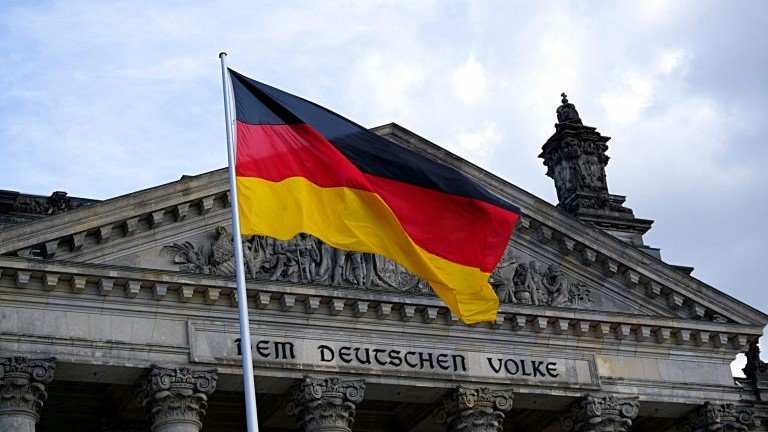
JUBA – The Government of Germany has contributed an additional EUR 28.5 million. These funds will support the United Nations World Food Programme’s (WFP) operations. The WFP will assist people affected by food insecurity and nutrition crises across South Sudan.
This contribution is particularly timely. An estimated 7.56 million people, over half of South Sudan’s population, could face acute food insecurity between April and July 2026.
Drivers of Food Insecurity
Food insecurity in South Sudan stems from multiple factors. These include conflict, displacement, climatic shocks, and low agricultural productivity.
Economic challenges also contribute to the problem. However, food security has improved in regions with sustained peace and maintained access.
WFP’s Response and Gratitude
“We appreciate Germany’s continued generosity,” stated Mary-Ellen McGroarty, WFP Country Director in South Sudan. She added that lasting peace and government investments are crucial to ending hunger.
The new funding will enhance efforts to assist those in need. It arrives at a very critical time of the year.
Germany’s Commitment
Gregory Bledjian, Ambassador of Germany to South Sudan, emphasized Germany’s priority. He affirmed that Germany focuses on supporting the most vulnerable, particularly women and children.
“We remain committed to supporting the people of South Sudan,” he stated. Bledjian also called for unhindered humanitarian access.
He thanked WFP for providing lifesaving assistance and empowering communities. Germany supports this important work through additional funding.
Malnutrition Crisis
Malnutrition is worsening in South Sudan. The latest IPC report indicates that 2.1 million children are affected.
Over one million pregnant and breastfeeding women also suffer from malnutrition. WFP will allocate funds to provide nutritious food and education to these vulnerable groups.
Addressing Root Causes
WFP intends to scale up initiatives addressing the underlying causes of food insecurity. These initiatives include cash start-up funds and training for income-generation.
The WFP will also assist in establishing village savings and loans associations. These interventions aim to promote long-term resilience.
Long-Term Partnership
Germany has a long-standing partnership with WFP. They provide support to address both humanitarian and long-term needs.
The latest contribution brings Germany’s total funding to over US$200 million since 2021. This funding supports WFP’s activities in South Sudan which targets the root causes of hunger.