Head of the Public Service Felix Koskei has urged public servants to set honest and achievable performance goals. These scorecards should align with the targets of their respective ministries, departments, and state agencies.
Koskei emphasized that every public institution and officer must understand their mandate. Performance should be assessed by frankly acknowledging existing gaps to meet the expectations of Kenyans.
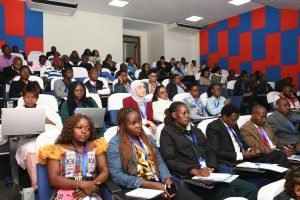
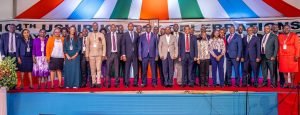
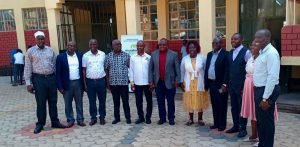
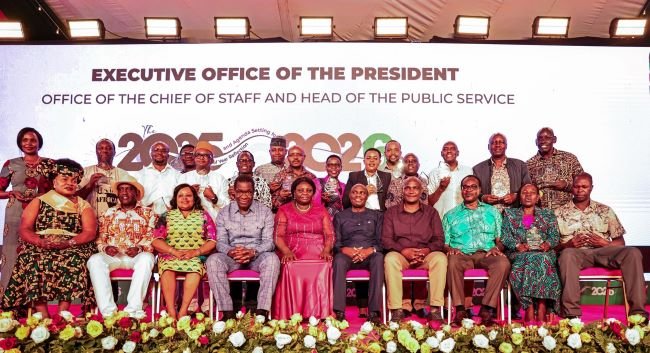
He delivered these remarks at the 2025 End-of-Year Public Service Reflection Dinner and Agenda Setting for 2026 in Kisumu.
The event included Cabinet Secretaries, Principal Secretaries, governors, and Members of Parliament. Heads of state corporations, constitutional commissions, and senior public servants also attended.
Performance-Based Recognition
Koskei congratulated officers and institutions honored during the awards ceremony. He stated that their recognition demonstrates the government’s dedication to a high-performance culture.
He encouraged those not recognized to use it as inspiration to improve. He hopes to see more names on future honors lists.
Koskei indicated that the awards signal a shift towards performance-based distinction instead of symbolic acts. According to Koskei, the Public Service is establishing “uncompromising standards” as the minimum requirement for public officers.
Addressing Past Deficiencies
Reflecting on the past year, Koskei admitted that service delivery faced challenges. These included slow responses, delays, complacency, and postponed decisions, which frustrated citizens.
He noted that 2025 saw a deliberate effort to address these issues. The government implemented programs designed to reorient public servants toward faster, more responsive, and results-focused service delivery.
These efforts align with the President’s call for a disciplined and honest Public Service.
Key Reforms and Achievements in 2025
Koskei described 2025 as a “rebuilding year” for governance. Reforms targeted weakened structures, leadership responsibility, and coordination across the Public Service.
Each officer should now clearly understand their role and expected deliverables.
Integrity and Modernization Efforts
Koskei also highlighted integrity and accountability gains. The Zero Fault Audit campaign has strengthened financial controls.
It has also improved the use of public resources across State entities.
Koskei reported progress in modernizing government operations using digital platforms. According to Koskei, new systems have boosted transparency and reduced costs.
They have also sped up the processing of Power of Mercy petitions. Engagements with regulatory bodies and wide-reaching awareness initiatives are reinforcing discipline and compliance.
Looking Ahead to 2026
Koskei stated that 2026 must mark the transition from groundwork to tangible results. Citizens should experience these outcomes at service centers, ministries, counties, and agencies nationwide.
Koskei reminded public servants that 2026 is the last full year for the current administration to demonstrate a measurable impact before the 2027 General Elections. Citizens will judge performance based on job creation, economic resilience, food security, and governance improvements.
Koskei called on institutions to prepare transparent scorecards. He stressed the importance of identifying and addressing shortcomings to ensure the Administration’s success.
This focus should ensure that the Government’s presence and services are felt even in remote areas of the country.
Koskei concluded by stating that with the available resources, clear direction, and presidential support, public servants should decisively address existing gaps to benefit all Kenyans.
Treasury’s Perspective
National Treasury Cabinet Secretary John Mbadi acknowledged significant improvements in the Public Service during 2025. He credited these advancements to the President’s reforms and a stronger emphasis on coordination and accountability.
Mbadi stated that integrity and accountability remain crucial for effective governance. He called corruption a betrayal of public trust and a threat to national development.
Mbadi stressed that, given current fiscal constraints, every expenditure must yield a measurable impact. He advocated for the elimination of waste, tighter cost controls, and governance reforms like the Zero Fault Audit campaign.
He insisted continuous compliance, early problem detection, and corrective action must become the professional standard in the Public Service as the Government enters 2026.
The meeting included various Cabinet Secretaries, the Kisumu Deputy Governor, and COTU Secretary General, along with Principal Secretaries, legislators, and public servants from across the country.