“`html
THE AFRICA TIMES | KENYA —
Chief Justice Martha Koome has advocated for stronger, socially grounded approaches to family justice. She urged reforms that acknowledge the realities of Kenyan families. These families often face challenges due to unregistered customary marriages under the Marriage Act, 2014
Judicial Conference on Family Law
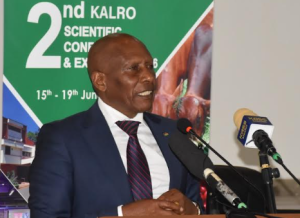
The Chief Justice spoke at the Milimani Family Division’s inauguralInns of Court Conference in Nairobi. Her keynote address was themed“The Marriage Act 2014: Effects of Unregistered Customary Marriages in Family Disputes”.
Koome commended the Milimani Family Division, judges, and the Bar–Bench Committee. She praised them for initiating a jurisprudential dialogue. Koome also called on the Kenya Judiciary Academy to replicate this model across other High Court divisions.
Evolution of Family Justice
Family disputes were previously treated as ordinary civil cases. Judicial officers often lacked specialized training for handling complex family issues. These issues include custody battles, domestic violence, and matrimonial matters.
The establishment of the Family Division in 2000 marked a critical shift. It moved towards a jurisprudence focused on healing and protecting vulnerable individuals.
Koome highlighted successes under the Social Transformation through Access to Justice (STAJ) framework. This includes establishing the first dedicated Magistrates’ Family Court in 2023. The Court has improved access and efficiency.
This court processed nearly 6,000 filings in 2024 and finalized over 3,000 cases. Specialized family courts play a crucial role in addressing various issues. They deal with domestic violence, child protection, and gender-based vulnerabilities.
Challenges of Unregistered Marriages
The Chief Justice emphasized the real challenges posed by unregistered customary marriages. These challenges include widows facing inheritance denial. Children also face identity and security issues due to lacking formal marriage registration.
The Marriage Act, 2014, aimed to harmonize marriage systems. However, the six-month registration requirement often conflicts with cultural practices. Geographical barriers, poverty, and limited public awareness also pose challenges.
Koome stated that a strict registration requirement might marginalize those needing protection. She advocated for a contextualized approach to implementing the Act. This approach should be socially just.
Collaborative Justice and Alternative Systems
The Chief Justice emphasized Bar–Bench Committees and Court Users Committees (CUCs). These are important for responsive justice systems and increased collaboration. The Judiciary is committed to multi-door justice.
Court-Annexed Mediation has been successful. Alternative Justice Systems (AJS) also show potential for resolving family disputes respectfully. These systems can efficiently resolve conflicts.
Justice Koome urged participants to remember the human stories behind family files. She pledged support for ongoing reforms. She encouraged commitment to compassionate, accessible justice for all Kenyan families.
Conference Discussions
Conference topics included the Marriage Act, 2014’s background and features. They also covered constitutional concerns about unregistered marriages. International marriage registration practices were compared.
Panelists from the Family Division’s bar and bench examined Supreme Court rulings on customary marriages. They analyzed the impact of non-recognition on property rights. Challenges and opportunities associated with marriage registration were explored.
Participants assessed progress since enacting the Marriage Act. They identified gaps remaining within family law.
“`