Media Restrictions at the Pentagon
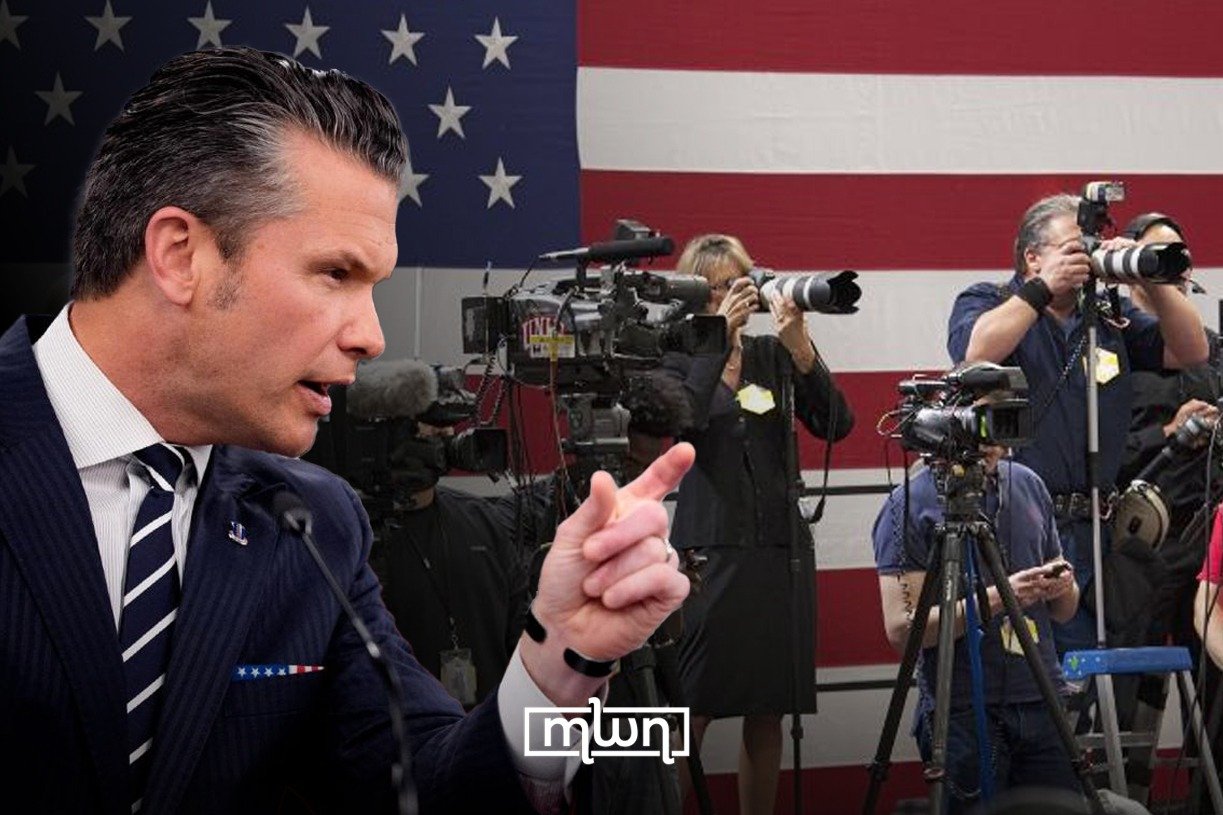
US Secretary of Defense Pete Hegseth has implemented new restrictions on media access. The restrictions target some of the nation’s most established news outlets. These actions impact their ability to report from the Pentagon, the Department of Defense (DoD) headquarters.
New Restrictions Imposed
In May, Hegseth announced restrictions on journalists covering the Pentagon. Journalists now face physical barriers, such as blocked-off offices. Government escorts are now required in certain situations.
In September, Hegseth issued a memo restricting journalists from reporting any information. This restriction applies even to unclassified information, unless approved by the DoD.
Major outlets relinquished their Pentagon credentials on October 15. They chose this action rather than comply with the new rules. This effectively ended years of on-site coverage.
Over 30 outlets have left the Pentagon, leaving only 15 reporters. Pro-Trump media outlets have now begun to replace the traditional press corps.
Concerns over Free Speech
Outlets like CNN, AP News, The Washington Post, and Reuters will still cover defense news. They will do this from outside the Pentagon.
ABC, CNN, CBS, NBC, and Fox News issued a joint statement. The statement asserts, “The policy is without precedent and threatens core journalistic protections.” They pledged to continue covering the US military independently.
Former Pentagon correspondent Barbara Starr criticized the changes. She emphasized the importance of credible media and public trust.
Shift in Pentagon Press Landscape
Pro-Trump media outlets have moved into the press vacuum at the Pentagon. These include Gateway Pundit, The National Pulse, and TurningPoint USA media.
These outlets are noted for political commentary rather than in-depth news. Some face defamation lawsuits related to 2020 election claims.
These media outlets openly support Trump’s agenda. Their coverage often features sensationalism and conspiracy-like themes.
This shift occurs alongside Trump’s cuts to PBS and NPR funding. He also banned AP News from the White House.
Long-Term Implications
The absence of independent media at the Pentagon carries significant consequences. Military and Pentagon coverage will change substantially as a result.
In 1971, the Supreme Court affirmed press freedom in the Pentagon Papers case. This established transparency between the public and the Pentagon.
Concerns about national security are valid. However, the new restrictions challenge established expectations of openness.
Former Pentagon correspondents recall having strong relationships with top military officials. Generals often shared information with the public via these interactions.
Starr noted that defense secretaries readily engaged with reporters. They sought to communicate with the American public through the media.
An independent press at the Pentagon showcases democracy and free speech. Limiting unbiased journalism undermines trust between the public and the government.
This trust relies on media, journalists, and free expression. These changes represent a concerning step in eroding that trust.