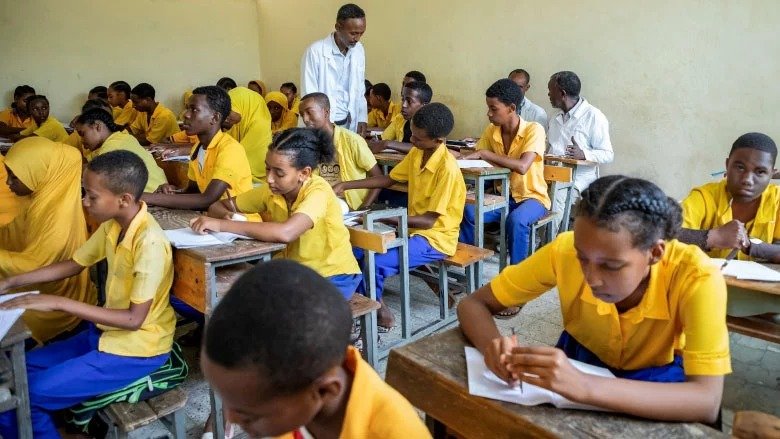
THE AFRICA TIMES | ETHIOPIA — More than 41,000 educators in Ethiopia’s Amhara region will receive professional development this summer. The training aims to support the country’s revised curriculum. It also addresses an ongoing education crisis. Amhara Region Education Initiative Demis Endris, Deputy Head of the Amhara Regional Education Bureau, announced the initiative. The Ministry of Education supports the program. It aims to equip educators to implement the new curriculum. Violence, displacement, and infrastructural collapse have disrupted learning. Millions of children have been affected. Addressing Teacher Concerns “This training directly responds to the concerns raised by teachers,” said Demis. He added that teachers have requested orientation on the new curriculum. The government is taking steps to address those needs. Training Program Details Over 27,700 secondary teachers and administrators will participate in university-hosted sessions. Roughly 11,200 upper primary teachers will receive training. Around 2,300 school leaders will learn new vocational modules. Additionally, 1,500 primary administrators will attend training sessions. Regional teacher education colleges designed these sessions. Conflict Undermines Education Efforts The rollout occurs amid conflict. Federal forces are fighting Fano militias in Amhara. Fighting has crippled infrastructure and caused mass displacement. It has also led to widespread school closures. Despite federal claims, armed resistance continues. Uncertainty surrounds the implementation of long-term education plans. Impact on Children and Schools UNICEF data indicates over 2.3 million children in Amhara are out of school. Violence, insecurity, and service collapse are responsible. School buildings are damaged or used as shelters. Teachers and students face psychological strain. Access to materials and safe spaces is limited. Humanitarian Crisis Deepens The education sector’s collapse is part of a broader humanitarian crisis. Communities face shortages of food, medicine, and services. Ongoing violence limits aid access. Cautious Optimism Regional authorities view the training program as a positive step. They hope to improve student performance by 2025/2026. However, many remain cautious. One education official said stability is crucial for success. The Path Forward The conflict’s continuation raises questions. Can reforms succeed amid armed conflict? The fate of millions depends on more than curriculum updates. Restoring peace, security, and functioning education remains crucial.