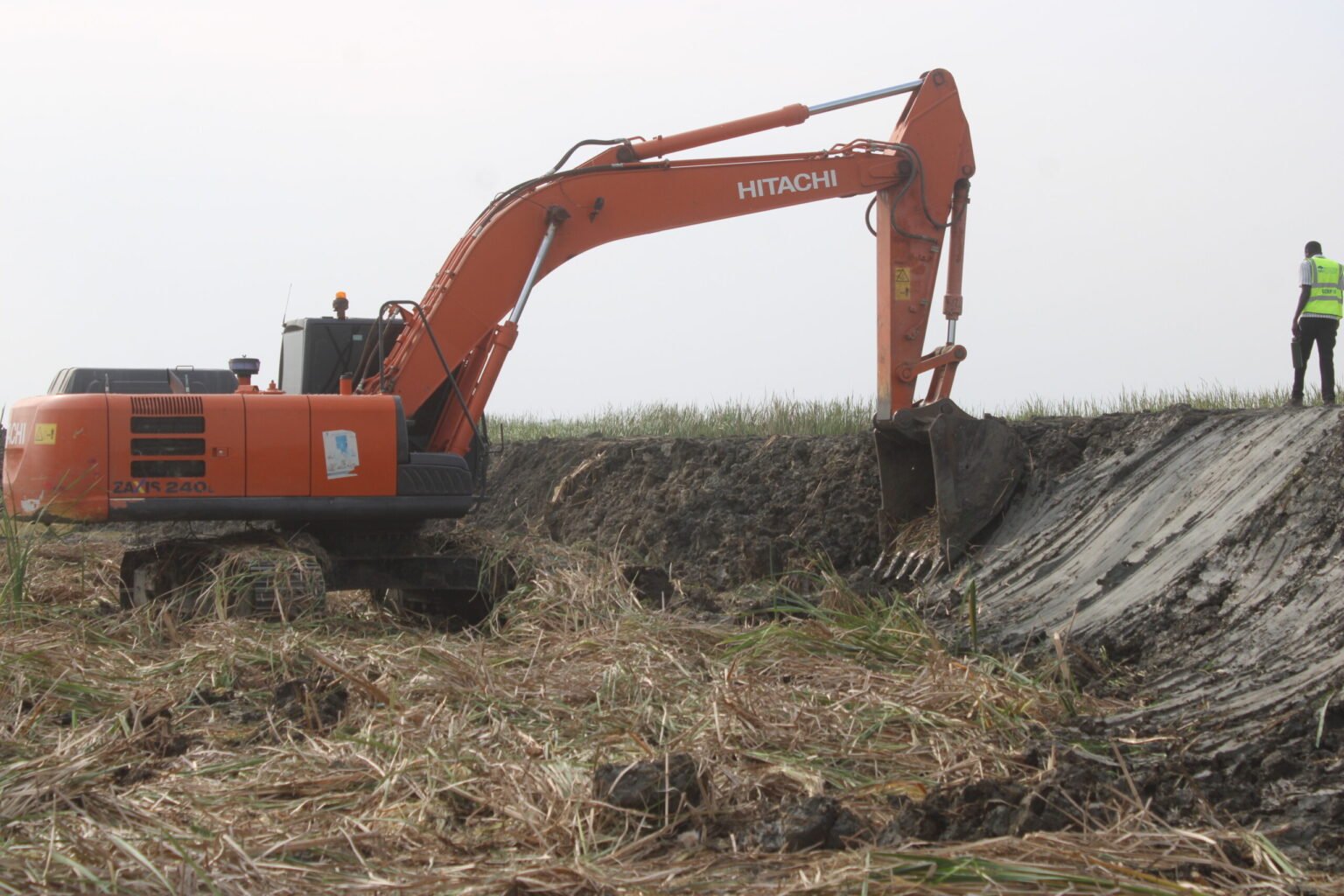
The International Organization for Migration (IOM) has completed a crucial infrastructure project. This project includes the construction of a 17.7-kilometer dyke. The dyke aims to protect residents in Rubkona County and Bentiu town from recurring floods.
These areas are located in Unity State, a region rich in oil resources. The construction provides a vital barrier against the devastating effects of flooding.
Dyke Construction and Impact
The dyke has significantly reduced the impact of floods on local communities. It has also reclaimed approximately 43 square kilometers of land in Panthiany payam. This reclaimed land can accommodate up to 120,000 households.
Extending from Kuerbuone-Nhial Diu road to the Thowmangor suburb, the dyke offers broad protection. The strategic placement of the dyke helps mitigate flood risks within Bentiu.
Resident Perspectives
Kangach Chap Deng, a Bentiu resident, expressed hope due to the dyke construction. He highlighted that the project offers safety and stability to flood-affected communities. The construction directly addresses the challenges posed by frequent inundation.
Deng emphasized the dire conditions before the dyke’s construction. He stated that the area was constantly submerged, causing significant hardship to residents. The new infrastructure fosters a sense of security and enables resettlement.
According to Deng, the land reclamation allows farming and grazing. This provides essential resources for residents and their livestock. However, existing pumping machines are insufficient for handling all water during the rainy season.
ECRP II and Community Resilience
This dyke is part of the Enhancing Community Resilience and Local Governance Project Phase II (ECRP II). The project is a government-led initiative that the World Bank funds. The project supports long-term resilience and governance improvements.
The World Bank has allocated $150 million to benefit approximately 950,000 people. These individuals reside across 79 counties in multiple states. Project implementation includes Western Bahr el Ghazal, Unity, Upper Nile, Northern Bahr el Ghazal, and Warrap.
The IOM serves as the primary implementing partner alongside various NGOs. This five-year initiative supports vulnerable populations.
Requests for Shelter Assistance
Bentiu resident, Nyeruai Mabor Thilyong, appealed for shelter assistance from humanitarian organizations. She noted the lack of secure housing after the floods destroyed many homes. This leaves residents vulnerable to theft and harsh weather.
Mabor urged UN agencies and NGOs to provide shelter. Many people are in a vulnerable position because of destroyed houses. The provision of secure shelter is a critical need.
IOM’s Perspective and Further Recovery Efforts
Miriam Mutalu, IOM head of Sub-Office in Bentiu, highlighted the extensive dyke coverage by ECRP II. She stated that the project includes over 52 kilometers of dyke in Rubkona and Bentiu. These dykes protect a considerable population.
Mutalu emphasized that the ECRP funding enabled the recovery of about 12 square kilometers. This facilitates the return of displaced people from Pakur. The recovery also reduces damage to infrastructure affected by war and floods.
Impact of Seasonal Flooding
Persistent seasonal flooding over the past five years has displaced more than half the population. Rubkona and other counties in Unity State face critical challenges. Many homes, grazing areas, and farmlands are underwater.
The floods disrupt transportation and access to essential services. This includes healthcare and markets in Bentiu town. The situation requires ongoing support and infrastructure development.