THE AFRICA TIMES | SOUTH SUDAN —
BOR – The Jonglei State government, partnering with the United Nations Development Programme (UNDP), has launched a mobile court. The court aims to reduce case backlogs and expand justice access.
The initiative also seeks to decongest prisons and bring justice to isolated areas. It was launched on Monday in Bor.
Mobile Court Launch in Jonglei
Addressing Case Backlogs
The court will address over 600 pending cases involving serious crimes. These include rape, murder, and communal violence.
Cases of cattle raiding, revenge killings, and abductions will also be heard. The project is viewed as a major step in restoring the rule of law.
Government Perspective on the Initiative
Governor Dr. Riek Gai Kok described the project as a milestone. He believes it will promote peace across Jonglei State.
Dr. Riek stated that the court allows citizens to respect the law. He envisions Jonglei residents living peacefully like others.
Operational Framework
The mobile court will rotate across nine counties, offering timely legal redress. The court aims to reaffirm the government’s commitment to key principles.
These principles are justice, reconciliation, and peaceful coexistence. Judges, prosecutors, and court staff will travel the state over 30 days to hear cases.
Stakeholder Reactions
Prison Service Perspective
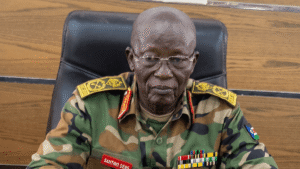
Maj. Gen. Deng Atem Apar, Director of Jonglei State Prison Service, supports the initiative. He emphasized the benefit of easing prison congestion.
The court will also support inmates awaiting trial. The prison currently holds 104 remand prisoners.
Local Government View
State Minister of Local Government Simon Hoth stated the court would reach citizens denied justice. He highlighted the past challenges in prosecuting suspects.
Hoth mentioned some people died in prison without trial. The initiative aims to handle cases from all nine counties.
Civil Society Support
Bol Deng Bol, Executive Director of INTREPID South Sudan, praised the effort. He commended the collaboration between various organizations.
Bol expressed gratitude for the success. While 30 days may not resolve all cases, it will reduce the backlog.
UNDP’s Role
Since 2017, UNDP, funded by the Netherlands, has deployed mobile courts. The courts operate across the country in partnership with UNMISS.
The initiative aims to enhance accountability, access to justice, and the rule of law. This is a crucial step in South Sudan’s development.