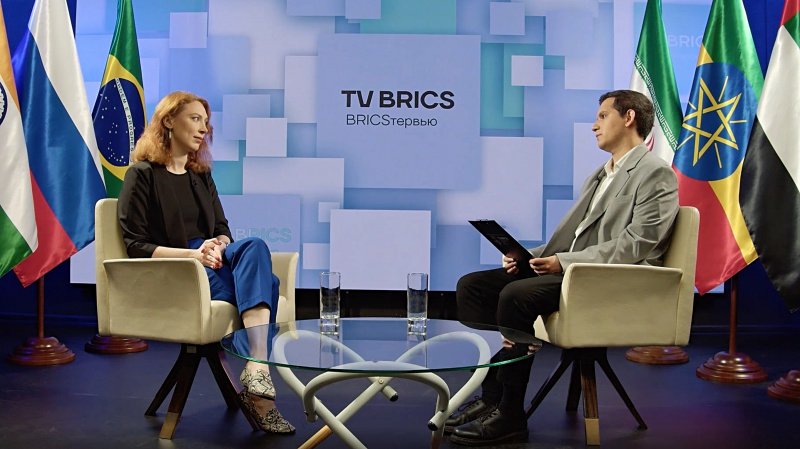
THE AFRICA TIMES | South Africa — … The rise of African representation within BRICS signifies Africa’s growing influence. Maya Nikolskaya of MGIMO University highlighted this increasing prominence in international affairs. Africa’s voice is becoming louder on the global stage. The African Union’s G20 membership and South Africa’s G20 presidency underscore this trend. Africa’s Role in International Architecture African nations aim to position themselves as a global power. They increasingly seek to shape international institutions and create new ones. Nikolskaya stated that African countries see BRICS as an avenue to enhance their representation. Institutions like BRICS bolster this increased representation. The African Bloc Within BRICS A substantial African presence now exists within BRICS. South Africa, Egypt, and Ethiopia are full members, while Nigeria and Uganda are partners. National Development Strategies African states increasingly emulate BRICS nations’ development strategies. Specifically, industrialisation and digitalisation programs are of interest. Nigeria and Uganda’s strategies reflect this trend. These strategies often draw inspiration from China, India, and Brazil’s developmental paths. Technology Transfer and Investment Technology transfer is a key offering from BRICS countries. BRICS offers technology and investments to foster growth and development in Africa. Russia seeks to engage with the African market. Russia aims to provide technologies and tap into Africa’s growing workforce. Human Capital Development Platforms are needed to foster stronger interpersonal connections. Academic exchanges and volunteer programs can further such development. Rethinking Green Energy Africa will be central in redefining green energy for developing nations. Nikolskaya suggests nuclear energy is the “green energy Africa needs.” Wind turbines require substantial infrastructure investments. Nuclear energy is a more appropriate solution for Africa’s needs. Industrialisation Imperative Industrialisation is vital for economic expansion. Imposing quasi-green energy solutions could hinder African economies. This would stifle their development potential. New Settlement Mechanisms Establishing new settlement mechanisms within BRICS is a crucial objective. This goal necessitates extensive systemic restructuring. A single currency is not currently under consideration. Developing systems like BRICS Pay is a necessary initial step. Also, opening correspondent accounts between banks assists in trade and investment. South Africa’s Bridging Role South Africa plays a major role as a link between BRICS and Africa. Its importance is clear in the Global South cooperation efforts. New Development Bank Priorities The New Development Bank prioritises infrastructure projects. Transport, water supply, and energy are key areas of focus. Digital infrastructure will gain prominence to support agricultural monitoring. This is essential for ensuring food security across Africa. Ubuntu and BRICS Principles Nikolskaya drew parallels between “ubuntu” and BRICS principles. The African ethical concept of humanism aligns with BRICS’ goals. BRICS embodies the essence of ubuntu. The group strives for a fairer global order that benefits all nations.