Niger and Burkina Faso voiced strong support for UN Security Council Resolution 2797. They expressed this backing regarding Western Sahara during bilateral meetings in Rabat. These talks occurred at the first Conference on African Victims of Terrorism.
The conference, which began today, is scheduled to conclude on Wednesday.
Support for Resolution 2797
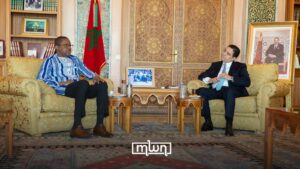
Niger’s Foreign Minister Bakary Yaou Sangaré welcomed the adoption of Resolution 2797. He acknowledged the resolution as historic. This resolution enshrines the Autonomy Plan proposed by the kingdom within Moroccan sovereignty.
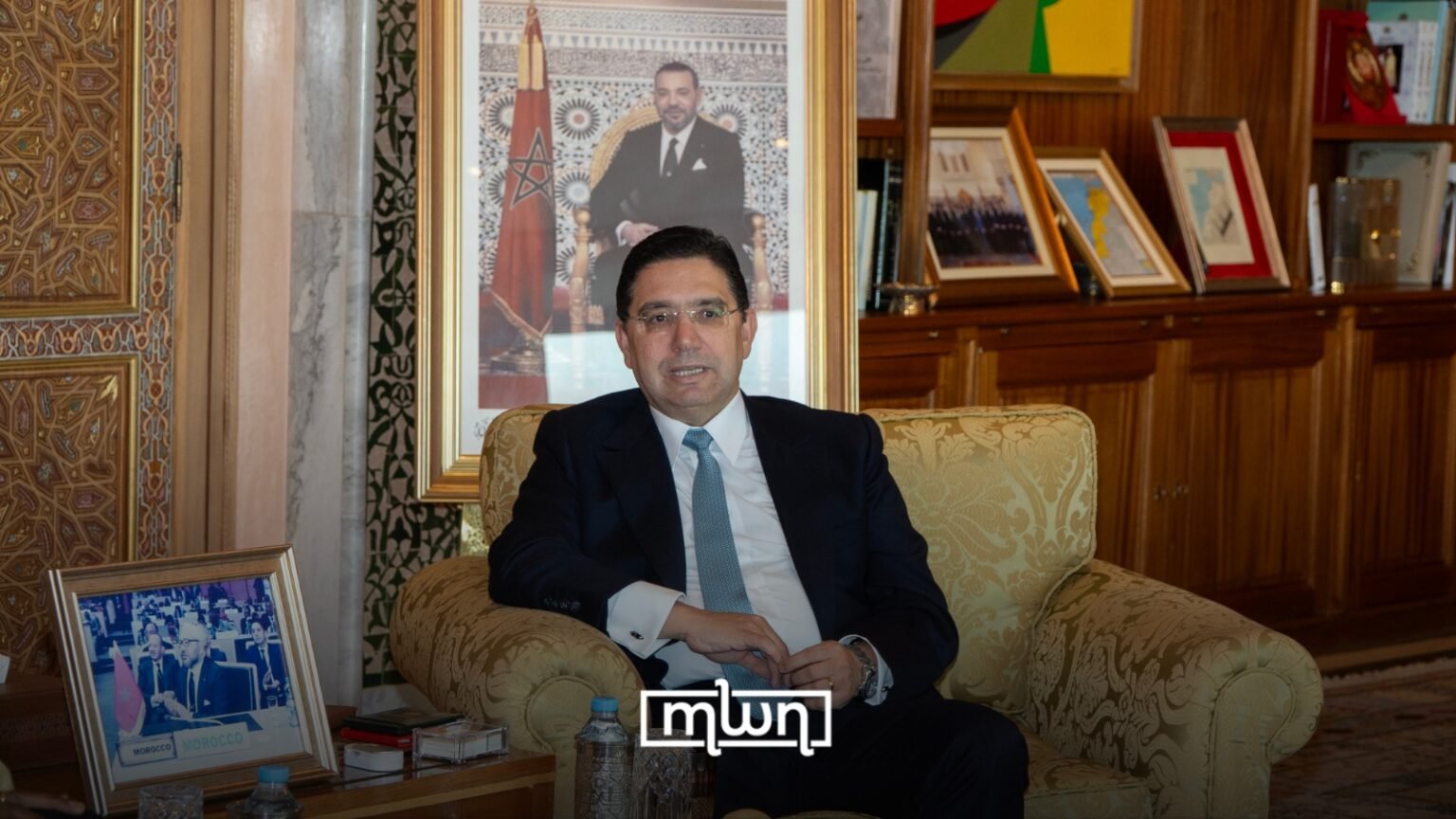
Sangaré considers the Autonomy Plan a “serious, credible, and sustainable basis” for resolving the Sahara issue. He conveyed these remarks after discussions with his Moroccan counterpart, Nasser Bourita.
Burkina Faso’s Foreign Minister Karamoko Jean Marie Traore offered even stronger support. He reiterated his country’s firm support for Morocco’s territorial integrity. Traore also praised the UN resolution.
Traore reaffirmed Burkina Faso’s support for the Autonomy Initiative presented by Rabat. He stated that it “constitutes the only credible and realistic solution for the resolution of this dispute.”
The Burkinabe minister lauded Ouagadougou’s opening of a Consulate General in Dakhla since October 23, 2020. Bourita expressed Morocco’s gratitude to Burkina Faso for its consistent position.
The diplomatic engagements resulted in concrete cooperation agreements.
Cooperation Agreements
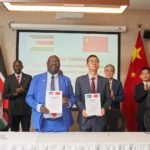
Morocco and Niger formalized a diplomatic training cooperation accord. This agreement involves the Moroccan Institute for Diplomatic Training, Research and Studies (IMFRED). It will also involve Niger’s National Institute for Diplomatic and Strategic Studies (INEDS).
The agreement supports Niger’s INEDS, which is scheduled to open soon, according to Sangaré. The Niger foreign minister characterized bilateral relations as “very fruitful cooperation.” He emphasized that this cooperation is based on equitable partnership and mutual respect.
The accord provides a framework. This framework permits Niamey to leverage Moroccan expertise in diplomatic training.
Burkina Faso’s Traore emphasized Morocco’s regional initiatives during his Rabat visit. He underscored Morocco’s initiatives that support Africa’s development. Traore doubled down on his country’s dedication to enacting the Royal Initiative.
This initiative aims to provide Sahel countries with access to the Atlantic Ocean. The minister emphasized “the dynamics of cooperation” between Burkina Faso and Morocco. He voiced both countries’ determination to strengthen bilateral cooperation and consolidate their strategic partnership.
Rabat Declaration
The terrorism conference resulted in the adoption of the Rabat Declaration.
Key Points of the Rabat Declaration
The document reaffirms victims’ central role in responses to terrorism. This includes both national and regional responses. The declaration calls for stronger legal, institutional, and operational frameworks for victim protection.
The Declaration advocates a comprehensive approach rooted in solidarity. This approach is based on victims’ rights, dignity, and participation. It emphasizes their roles in developing and implementing counter-terrorism policies.
It encourages African states to strengthen national mechanisms. Moreover, it asks them to harmonize legal frameworks per international standards. The declaration seeks to ensure victims’ access to justice and remembrance.
The text recognizes the vital role of victims and survivors. It acknowledges their importance in preventing radicalization and combating extremist ideologies.
It promotes victims’ involvement in public policies. It emphasizes cooperation between African states and UN entities. This includes exchanging expertise, providing training, and mobilizing international partners.