Low Exam Turnout in Pibor
Education authorities in the Greater Pibor Administrative Area (GPAA) have voiced concerns over low student participation.
The region recorded a significantly low number of candidates for this year’s Senior Four national examinations. The low turnout raises questions about educational access and equity.
Significant Decline in Candidates
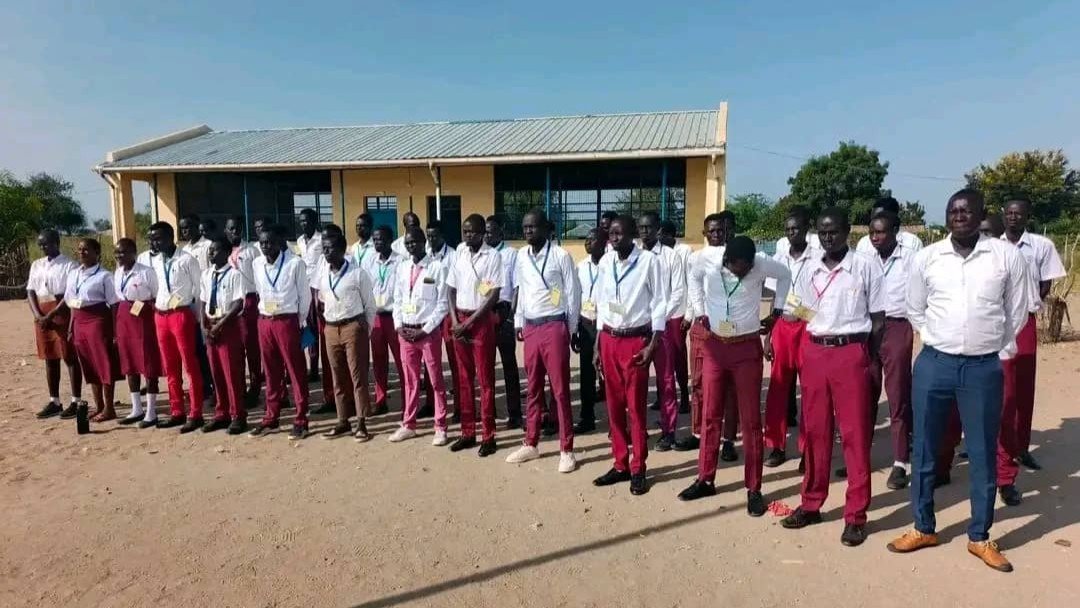
Only 47 students are sitting for the South Sudan Certificate of Secondary Education (SSCE) in 2025. Of these, 44 are male and only 3 are female.
Officials report that this number is among the lowest ever recorded in the area. This figure highlights a concerning trend in the region’s educational landscape.
Factors Contributing to Low Turnout
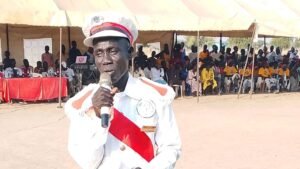
GPAA Minister of General Education, Butrosus Ochalla, described the situation as “deeply worrying”. He linked the decline to early marriages, poor school infrastructure, and insecurity.
Ochalla also cited the lack of qualified teachers as a contributing factor. These interconnected challenges hinder educational progress in the region.
Teacher Qualifications and Compensation
Ochalla stated that the majority of teachers in the area are unpaid volunteers. This situation negatively impacts both the quality of teaching and student performance.
The Chief Administrator has directed the registration of all teachers. This will allow them to apply for proper compensation, potentially improving teacher retention and motivation.
Impact of Early Marriage on Female Education
Minister Ochalla attributed low female candidate turnout to early and forced marriages. These practices remain prevalent across many GPAA communities.
Ochalla highlighted instances where girls as young as 14 are married off for cattle. This practice deprives them of their right to education and limits their future opportunities.
Community Awareness Initiatives
The ministry has initiated community awareness programs via local radio. These programs aim to encourage parents to keep their children, especially girls, in school.
The ministry hopes that these efforts will improve enrollment and academic performance in the coming year. They believe community engagement is crucial for sustainable change.