THE AFRICA TIMES | SOUTH AFRICA —
The country aims to welcome 10 million international visitors by 2026, promoting a strong tourism rebound.
International tourism has largely recovered after the pandemic. Countries reopened borders, and airlines resumed travel routes. South Africa is once again highlighting its compelling mix of nature, culture, and cuisine.
However, South Africa’s rebound has been slower than some regional competitors. This reveals both successes and remaining challenges for the nation.
Tourism Rebound in South Africa
Between January and July 2025, South Africa saw 5.85 million international arrivals. This represents a 14% increase from the same period in 2024. These numbers put the nation just 1% shy of pre-pandemic levels.


Comparative Analysis
Global tourism recovered to 2019 levels in 2024. South Africa, however, remained 13% below its pre-pandemic numbers. Several nations surpassed their 2019 records including Morocco, Kenya, and Tanzania.
Morocco welcomed 17.4 million tourists in 2024, a 20% increase from 2019. Tanzania also exceeded expectations with an 18% rise. Tunisia outperformed South Africa with 10.3 million visitors.
Regional Tourism and Long-Haul Decline
Of the 5.85 million arrivals, 4.55 million were from other African nations. This shows South Africa’s importance as a travel hub in Africa. However, long-haul tourism declined, impacting tourism revenue.

Foreign arrivals totaled 1.3 million, 10% less than in 2019. This resulted in an estimated US$232 million loss in direct tourism spending.
Momentum and Ministerial Optimism
August saw a 30.2% year-on-year rise in international arrivals. This brought the total from January to August to 6.79 million. Tourism Minister Patricia de Lille viewed these figures as positive.
De Lille stated that tourism supports nearly two million jobs nationwide. Growth occurred across all key regions fueling this positive outlook.
Contributing Factors to Growth
Arrivals from Europe, Asia, the Americas, and the Middle East all increased. The UK and Germany led European arrivals, Argentina and Brazil had over 70% growth. Emerging markets, like Saudi Arabia and Indonesia, doubled their numbers.

Policy Reform and Regional Connectivity
Policy shifts and modernization have boosted tourism. The ETA is expected to streamline arrivals and create jobs. Visa-free agreements and stronger regional air routes enhanced African travel.

For instance, Lesotho saw arrivals surge by 110%. Mozambique also grew by 36.8% in August.
Attraction Demand and Luxury Travel
South Africa’s attractions drive renewed demand. Cape Town, Kruger National Park, and the Cape Winelands are popular. Luxury travel has already surpassed 2019 levels.
Tour operator Go2Africa reported a 30% rise in revenue in September. Travellers seek tailor-made safaris, culinary experiences, and private retreats. Mid-range travel remains price-sensitive, thus calls for affordability are occuring.
Future Strategies and Digital Growth
In September, total arrivals exceeded pre-pandemic figures, reaching 7.6 million visitors. Most came from Zimbabwe, Mozambique, Lesotho, and Botswana. These nations are the backbone of South Africa’s tourism sector.
South Africa is building a data-driven tourism promotion strategy. The Southern Africa Tourism Services Association emphasizes international marketing. It also addresses safety concerns and emerging markets.
Digitalization and MICE Sector
Digital financial services support growth for small tourism businesses. Digitalization, e-visa systems, and improved connectivity remain essential. They maintain competitiveness against Kenya and Namibia.
The MICE sector revives hotels and conference centers. Johannesburg and Cape Town are attracting international conventions. This creates a ripple effect in airlines, restaurants, transport, and entertainment.
Future Outlook
South Africa could surpass 10 million international arrivals by 2026. Major events like the Cape Town Carnival and Durban Tourism Month will support this. The official target is 15 million visitors by 2030, if the current pace is maintained.
Bookings and app downloads surge
Mobile apps demonstrate South Africa’s return to global tourism. Travel planning increasingly relies on digital tools. Mobile apps serve as indicators of tourism demand.
Digital Trends and Connectivity
During the third quarter of 2025, travel and local service apps grew. Instabridge reported over 36,000 weekly downloads and 70,000 active users. This is vital for accessing public Wi-Fi hotspots.
Booking.com maintained around half a million active users. Airbnb doubled its downloads, showcasing local stays. Marriott Bonvoy also posted steady growth stemming from corporate and luxury travel.
Google Maps and Tourism Revival
Google Maps remains essential with over 16 million active users. Technology enhances journeys across South Africa. South Africa’s revival extends beyond digital trends.
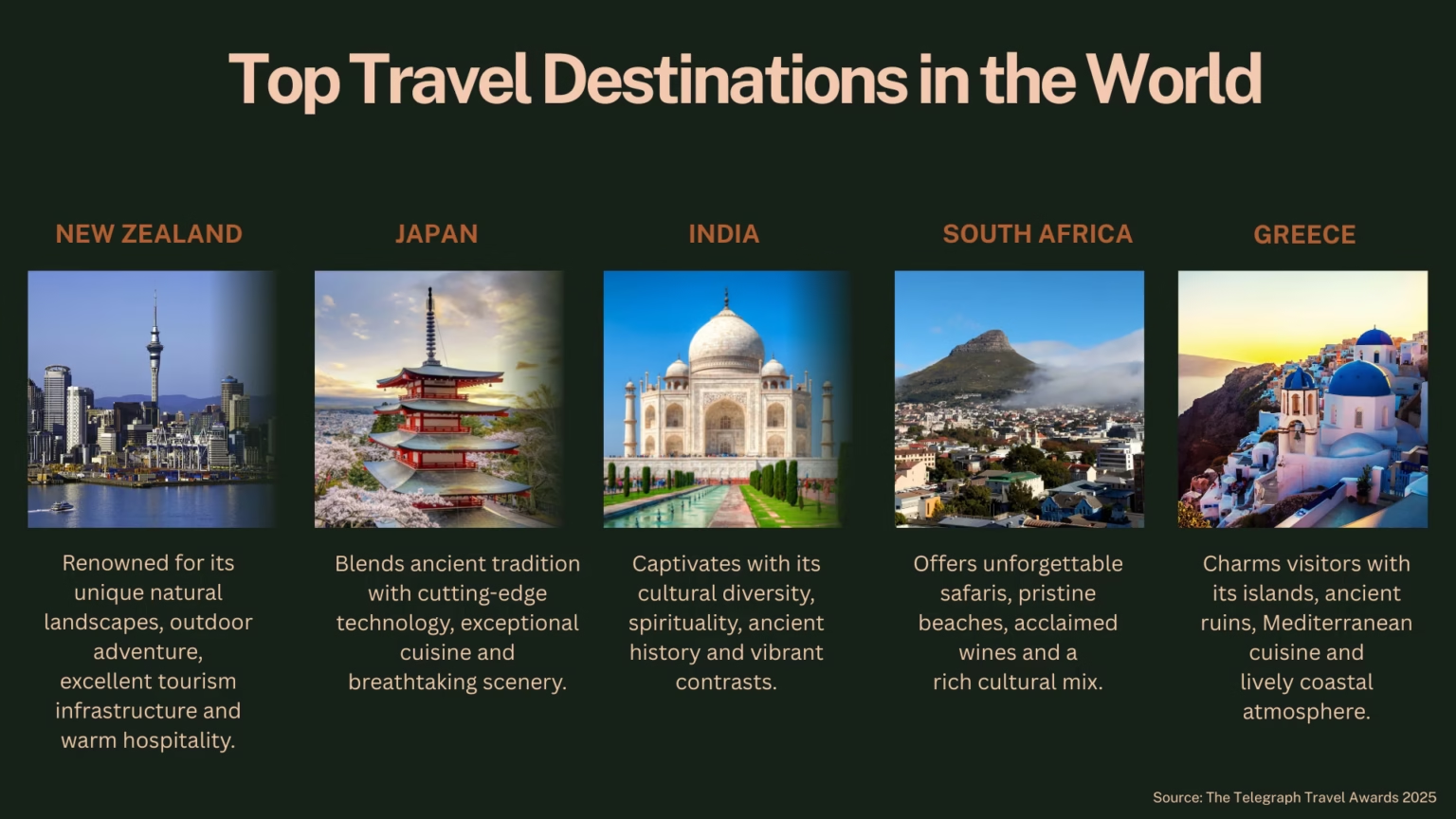
South Africa was named the world’s fourth-best destination at the 2025 Telegraph Travel Awards, also being Africa’s top destination. This extends the nation’s decade-long presence among readers’ top ten favorites.
Accolades and Reinvention
The award celebrates South Africa’s combination of modernity, nature, and culture. Cape Town’s energy, wine routes, Kruger’s safaris, and the Garden Route were all noted. Cape Town was also listed among the world’s top 20 cities for nightlife.
Digital data and international accolades tell one story. South Africa is reinventing how it welcomes visitors. Digital innovation, hospitality, and diversity strengthen its global standing.