Chaimae Bouazzaoui, Morocco’s first woman diplomat to serve in Israel, gave insights into Morocco-Israel relations. She served as Political Counselor at Morocco’s Liaison Office in Israel from February 2021 to August 2023. The pace of engagement has slowed compared to previous years.
Bouazzaoui played a vital role in the 2022 Negev Forum. She also helped shape bilateral dialogue between Rabat and Israel. Analysts anticipate renewed engagement following the Gaza ceasefire.
This may lead to a transition from liaison offices to full embassies. Her reflections arrive at a crucial time for both nations.
Historical Ties and Enduring Relationships
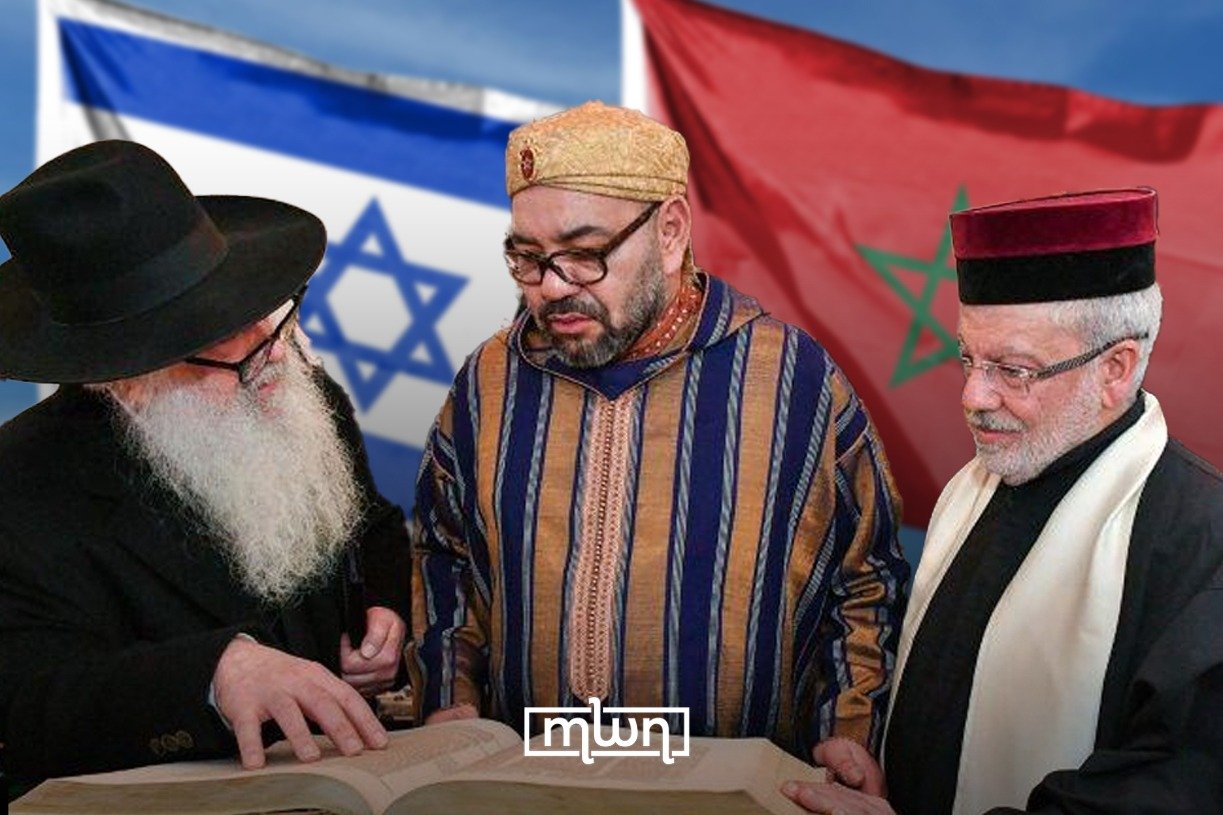
Ties between Morocco and Israel date back to the early 1950s. Moroccan Jews immigrated to Israel, and security cooperation intensified in the 1960s. These cooperative efforts predated formal normalization.
Many consider this one of the Middle East’s most enduring relationships. Foreign Minister Nasser Bourita stated relations were already “normal” in 2020.
Morocco has a unique history with its Jewish community, according to Bourita. He highlighted the kingdom’s special relationship with the Jewish people. Today, nearly one million Moroccan Jews reside in Israel.
Moroccan Jews in Israeli Society
Many analysts observe that Israelis of Moroccan descent deeply integrated into the nation. They have become part of the social and political fabric.
They have risen to prominence in various fields, overcoming early challenges. Prominent figures include Amir Ohana, David Levy, and Meir Sheetrit.
Moroccan-Israelis preserve ancestral traditions. They also maintain reverence for the Moroccan monarchy.
The Moroccan Monarchy’s Role
King Mohammed VI continues his predecessors’ legacy. He has consistently championed Morocco’s approach toward its Jewish citizens.
During World War II, Sultan Mohammed V protected Morocco’s Jewish population. He defied Nazi Germany and the Vichy regime.
King Hassan II continued this legacy of tolerance. He helped pave the way for peace channels between Israelis and Palestinians. The Moroccan constitution acknowledges all Abrahamic faiths.
Morocco and the Abraham Accords
Bouazzaoui stated that the Abraham Accords marked a new era of peace. Morocco’s trajectory differs from other signatories.
Morocco has maintained genuine peace with Israel. This is based on historical ties and cooperation. Unlike the UAE and Bahrain Morocco has preserved “excellent military and security cooperation”.
“Family ties and the human-centered cultural relations have been the central pillar of the cooperation in the Moroccan-Israeli context,” Bouazzaoui explained. She emphasized Morocco’s consistent highlight of this connection.
Morocco’s Unique Position
Bouazzaoui clarified Morocco’s perspective on the accords. Bourita acknowledged the impetus generated by the resumption of relations.
Bouazzaoui quoted Minister Bourita explaining the signing reflects links between the kings and Moroccan Jews. It also ties in with the spirit of the Abraham Accords.
Morocco has positioned itself as a bridge between cultures. This has allowed Rabat to reaffirm its role in the region.
Moroccan Diplomacy Amidst Regional Tensions
Bouazzaoui attributed Morocco’s diplomatic strength to its credibility. Morocco does not recognize Hamas.
During the recent conflict, Morocco welcomed Palestinian Authority visits. It was the only country to transfer Gaza terrestrial aid. Morocco maintained its liaison office with Israel.
Morocco’s engagement with Israel has focused on strategic sectors. These include security, tourism, and technology cooperation. The government allowed public demonstrations for and against the relationship with Israel.
King Mohammed VI’s Leadership
King Mohammed VI’s leadership in the Abraham Accords has earned global praise. This was evident during the recent war.
Morocco welcomed the Trump-brokered Gaza peace deal. Bouazzaoui called it a vital step toward broader regional peace.
Looking ahead, Bouazzaoui expects cooperation to continue. She anticipates economic cooperation to expand. Cultural and academic exchanges are also anticipated.
Post-Ceasefire Expectations
Security collaboration will likely deepen. Areas such as counterterrorism and cyber defense are included in this.
Bouazzaoui identified November as a key month for the Abraham Accords. This is due to the anniversary of the Morocco-Israel agreements.
Israel formally recognized Morocco’s sovereignty over the Sahara in July 2023. Senior US officials have signaled readiness to open a consulate in Western Sahara.
Moving Towards Full Embassies
The US recognized Morocco’s sovereignty in 2020. Bouazzaoui described this as “a sovereignty symmetrical-recognition paradigm between Morocco and the US.”
Israel and Morocco only have liaison offices. Bouazzaoui believes a transition to full embassies would symbolize a new chapter. It would also reflect the success of the Abraham Accords.
Critics argue that normalization must begin with the people. The Abraham Accords have been criticized as elite-driven arrangements.
Addressing Criticisms of the Accords
Bouazzaoui rejected the characterization of “normalization.” Relations between the countries are historical.
She described the Abraham Accords as a major diplomatic achievement. The accords aimed to spearhead cooperation between key countries.
President Trump’s success reshaped the regional narrative. His leadership fostered a diplomatic environment of continued cooperation, she stated.
Impact of the Gaza Ceasefire
The recent Gaza deal includes provisions for phased IDF drawdown and hostage release. Challenges to implementation remain.
Analysis suggests these frameworks remain intact yet more contingent. The White House argues the plan could catalyze an expanded agreement.
The Gaza ceasefire opens space for practical cooperation between Morocco and Israel. Near-term re-engagement is expected in various sectors. This approach requires careful public opinion consideration.