The European Union has reaffirmed its position regarding the Polisario Front’s self-proclaimed Sahrawi Arab Democratic Republic (SADR). The EU does not recognize the SADR as a legitimate entity.
An EU spokesperson addressed the issue during a press briefing. This clarification followed reports suggesting the EU had invited Polisario to the upcoming EU-AU Summit in Angola from November 24-27.
EU’s Stance on SADR
According to the Moroccan news agency MAP, the EU spokesperson outlined summit organization. The EU and the African Union (AU) co-chair and co-organize the EU-AU summits and ministerial meetings.
Each organization is responsible for inviting its own members. The spokesperson confirmed that the AU extends invitations to African members.
The EU spokesperson emphasized that neither the European Union nor any of its member states recognize the SADR. This statement echoes a similar declaration made in June.
Past Attempts and Reactions
Spain has repeatedly attempted to leverage its presence in AU settings. EU officials also attend these events.
Spain made a similar attempt during the EU-AU ministerial meeting in Rome on June 27. Pro-Polisario media have recently celebrated Polisario’s supposed invitation.
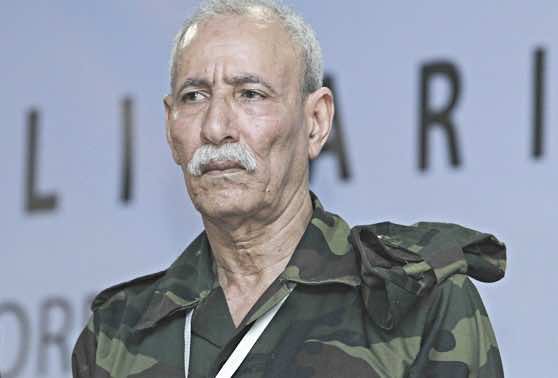
Spanish news outlets reported that Brahim Ghali was invited by the Angolan President. These reports suggested a potential meeting between Ghali and Spanish Prime Minister Pedro Sanchez.
Read also: EU Says It Again: Neither EU Nor Members Recognize Self-styled SADR
The report indicates Sanchez will be present at the same event. However, a direct meeting is not confirmed, contingent on Spain’s desire to avoid renewed tensions with Morocco.
Historical Context and Moroccan Opposition
In April 2021, Morocco strongly opposed Spain’s decision to host Polisario leader Brahim Ghali for medical treatment. He traveled to Spain under a false identity to avoid legal repercussions.
Ghali faced accusations of war crimes, terrorism, and kidnapping in Spain. The lawsuits were filed by Spanish families and Sahrawis subjected to torture in Polisario-controlled camps.
The Moroccan government criticized Spain for failing to notify them of Ghali’s arrival. Arancha Gonzalez Laya, then Spanish Foreign Minister, publicly stated that Ghali was in Spain for humanitarian reasons.
Morocco responded by recalling its ambassador and summoning Spain’s ambassador in Rabat. Morocco viewed Ghali’s hospitalization as undermining partnership and good neighborliness.
Restoration of Ties
Relations between Morocco and Spain normalized in 2022. Spain formally endorsed Morocco’s Autonomy Plan as the most credible resolution to the Western Sahara dispute.