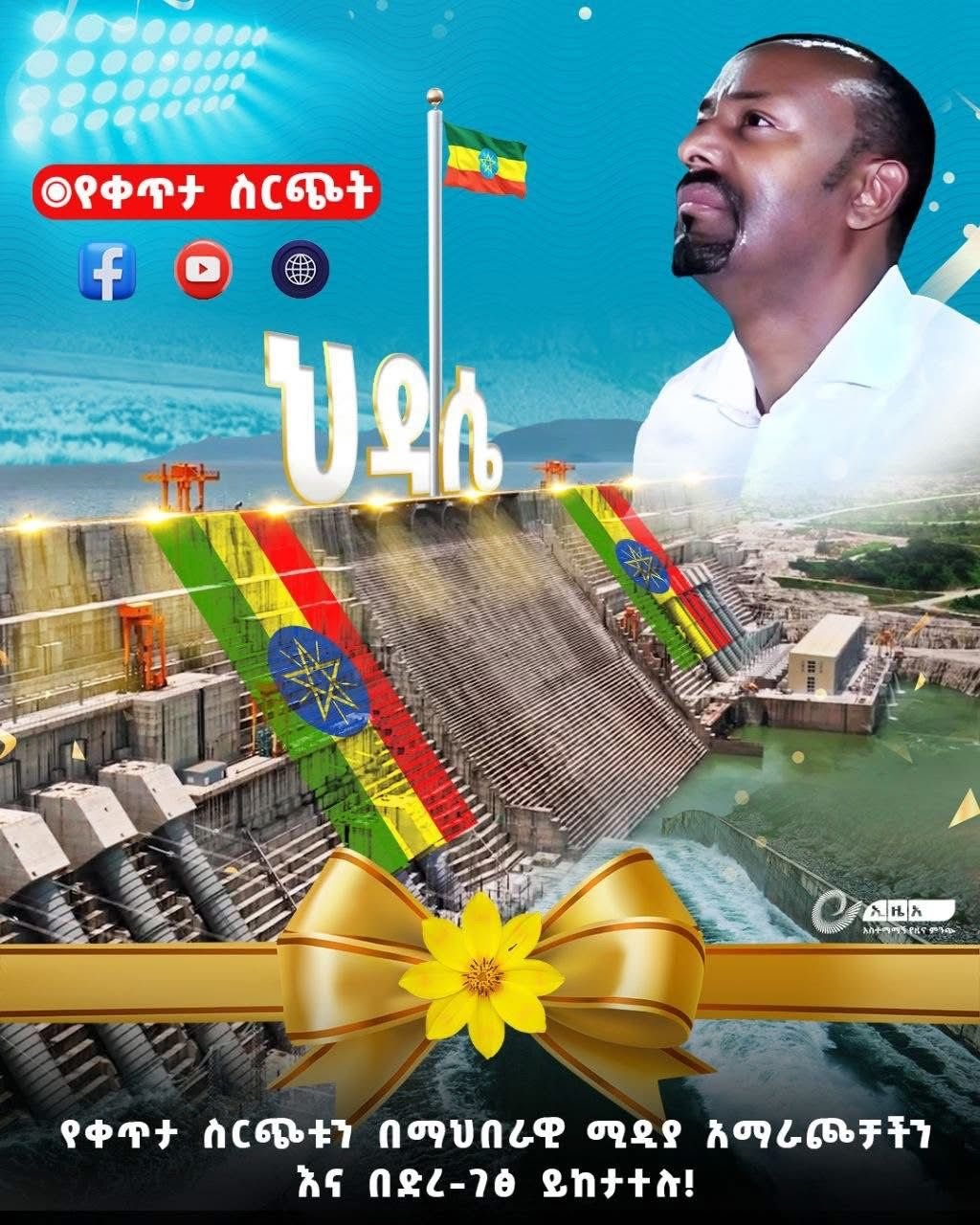
THE AFRICA TIMES | SUDAN — Ethiopia formally inaugurated the Grand Ethiopian Renaissance Dam (GERD) on Tuesday. The $5 billion hydropower project on the Blue Nile has fueled regional diplomatic disputes.

GERD Inauguration and Ethiopian Ambitions
Prime Minister Abiy Ahmed presided over the ceremony. He called the GERD’s completion a “historic milestone.” The dam aims to generate 5,150 megawatts of electricity. It will become Africa’s largest hydropower project once fully operational.
Two turbines already generate 750 MW. Power output is set to expand in coming years.
Abiy stated the GERD poses “no threat” to Egypt and Sudan. He insisted Ethiopia’s Nile usage is “limited and fair.” He described the project as a “shared opportunity.”
Regional Tensions Persist
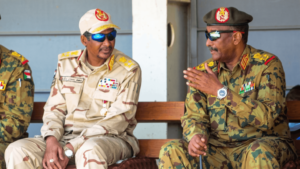
Tensions between Ethiopia, Egypt, and Sudan remain. Egypt, relying on the Nile for 90% of its water, did not attend. Cairo asserts a binding agreement is needed for filling and operation.
Egypt views its water security as a “red line.” Sudan seeks a legally binding framework to safeguard flows. Sudan receives 18.5 billion cubic meters annually from the Blue Nile.

Divergent Views and Failed Negotiations
The inauguration reveals differing views on the GERD. Ethiopia sees it as a sovereign right. Downstream states demand guaranteed water access.
Negotiations under the African Union have stalled. International mediation has failed to produce consensus.
Economic and Diplomatic Implications
Ethiopia financed the GERD almost entirely domestically. The National Bank of Ethiopia provided 91% of needed funding. Bonds and public contributions supplied the remainder.
Ethiopia asserts the dam will improve electricity access for its 120 million citizens. It also aims to enable regional power exports.
Analysts state the launch demonstrates Ethiopia’s resolve. Egypt and Sudan resist without an enforceable deal. The project remains a diplomatic flashpoint and a symbol of ambition.