THE AFRICA TIMES | SUDAN — The United Nations has voiced serious concerns regarding human rights violations in El Fasher. El Fasher, the capital of North Darfur, is currently under siege, exacerbating the crisis.
Human Rights Crisis in El Fasher
The UN Office for the Coordination of Humanitarian Affairs (OCHA) reported grave abuses. Civilians face unlawful killings, abductions, and arbitrary detention. Indiscriminate attacks have further impacted markets, hospitals, and places of worship.
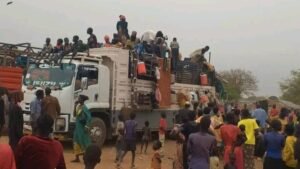
The humanitarian situation has severely deteriorated, leaving residents with limited options. Those remaining in El Fasher face constant bombardment and critical supply shortages. Those attempting to flee encounter violence, looting, and harassment along hazardous routes.
RSF Siege and its Impact
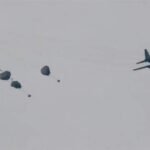
For months, the paramilitary Rapid Support Forces (RSF) have besieged El Fasher. This siege includes continuous ground assaults, airstrikes, and artillery fire. The city is devastated and teeters on the brink of famine because of this.
The blockade has forced families to risk dangerous escape routes. Those who remain are increasingly isolated from essential resources. Food, water, and medicine are becoming increasingly scarce.

International Response and Concerns
The United Nations has emphasized the urgent need for measures to protect civilians. These measures must align with international humanitarian law. Safe routes are needed for those wishing to leave. Aid supplies must reach those trapped within the city.
Call for Protection and Accountability
The UN insists the indiscriminate use of violence must stop immediately. There is an urgent demand to prevent sexual violence and ethnically motivated attacks. Commanders and fighters bear responsibility for such actions under international law.
Escalating Humanitarian Emergency
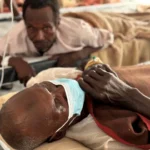
The conditions in El Fasher represent one of Sudan’s most severe humanitarian emergencies. The ongoing conflict has disrupted supply lines and emptied marketplaces. Hospitals lack the medicine to provide adequate care. Without lifting the blockade, mass starvation and further atrocities are expected.

The UN urges all parties to uphold their obligations under international law. Civilians must not be used as instruments of war. Leaders and combatants will be held accountable for violations.
Regional and Global Implications
International concern is rising regarding the conflict’s trajectory in Darfur. Rights groups warn that the violence risks repeating past atrocities. Prioritizing the protection of civilians requires lifting the siege. Failure to act will deepen the existing humanitarian catastrophe.