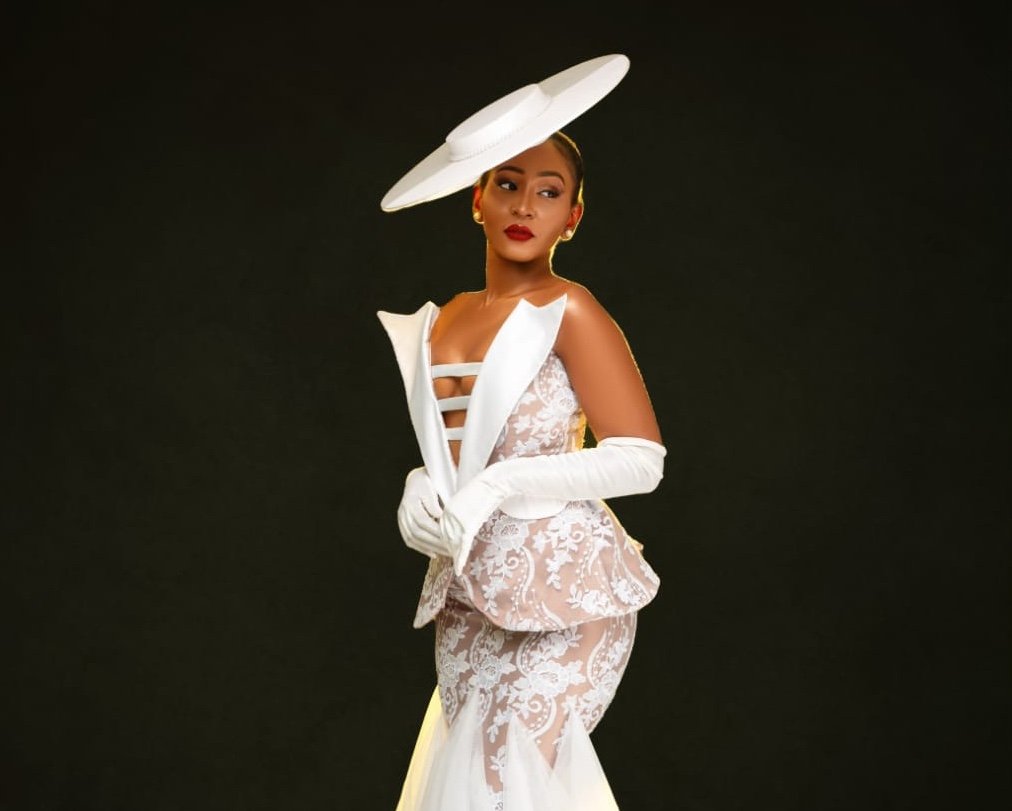
THE AFRICA TIMES | KENYA — Brenda Michelle, a Kenyan actress and content creator, discusses her career trajectory in a recent interview. She shares insights on her artistic journey, the influence of digital platforms, and the future of African cinema.

Let’s begin at the beginning—when did you first realize that art would be your life’s path?
Michelle credits art for facilitating her self-expression. As a child in Ganjoni, Mombasa, she won an art competition. This early success fueled her artistic pursuits. She describes art as her “safe space.”
From your first acting experience until now, what have been the key turning points in your artistic journey?
Michelle’s initial film industry experience involved editing and production management. She later transitioned to acting after encouragement from colleagues. A role in a TV drama provided her “big break.” She stated that she felt like she had found her calling.
How would you describe your experience in the television series Zora, which earned you widespread recognition on Kenyan screens?
Michelle recalls being surprised by her Zora audition. She describes her role as bold and intense. The role increased her public visibility and fostered an online community.
You also have a strong presence on platforms like TikTok. How do you see the relationship between digital content and traditionalforms of art?
TikTok expanded Michelle’s audience rapidly. She emphasizes the responsibility that comes with this increased visibility. She notes that digital content lacks the regulations of traditional art. This allows instant connection but also creates risks.
Labels and Artistic Identity
Do you consider yourself primarily an actress or a content creator—or do such labels no longer matter in today’s creative world?
Michelle believes labels still hold significance, particularly in Kenya. “Actress” conveys respect and acknowledges professional experience. However, she embraces the “content creator” title, using digital platforms to engage her audience.
To what extent do you draw from your personal life and environment in building your characters or digital projects?
Michelle draws extensively from her Mombasa upbringing. She incorporates personal emotions and observations into her work. Real-life moments often inspire her digital content.
Challenges and Support
What has been the greatest challenge you’ve faced in acting? Have there been moments of doubt or a desire to walk away?
The biggest challenge to a career is instability. Michelle notes many Kenyan actors pursue acting out of passion due to limited financial prospects. She admires the well-structured South African film industry.
Did you receive any institutional or formal support early in your career, or was it entirely driven by personal initiative?
Michelle attributes her early career progress to personal initiative. Her film and TV production background proved helpful. She learned from directors and experienced actors through observation and presence on set.
Future Aspirations and Kenyan Cinema’s Impact
What’s a role you dream of playing but haven’t yet had the chance to?
Michelle aspires to portray a powerful historical African woman. She cites Mekatilili wa Menza as an example. She desires a role that challenges her and honors the legacy of African women.
In your view, what makes Kenyan art and cinema unique—and do you believe it can make a global impact?
Kenyan cinema’s strength lies in its authenticity and its universal themes, says Michelle. She highlights its storytelling rhythm and its blend of languages. She believes Kenyan cinema can have a global impact as it continues refining its structures.
Current State and Challenges
How do you assess the current state of cinema in Kenya in terms of production, distribution, and audience engagement?
Kenyan productions are improving technically and gaining recognition, says Michelle. However, distribution remains a challenge. She notes that platforms like Showmax and Netflix are contributing to broader access.
What are the main challenges facing young filmmakers in your country today?
Young filmmakers often have to handle all aspects of production with limited resources, observes Michelle. Funding and mentorship are lacking. Passion exists but requires more institutional support.
The Rise of New African Cinema
Do you believe a “New African Cinema” is emerging? What role are women playing in this movement?
Michelle believes a new African cinema is emerging, driven by women. She recognizes filmmakers who are leading this movement. They are telling their own stories and reshaping the industry.
Michelle finds inspiration in African artists who actively create films independently. She admires creatives who tell African stories with global resonance.
How do you see the future of collaboration among African creatives? Have you been involved in any cross-border projects?
Michelle envisions increased collaboration among African creatives. She participated in an international project that broadened her perspective. Further cultural blending promises to produce globally relevant narratives.
Cinema’s Role in Society
What role do you think cinema can play in addressing themes of identity, justice, and empowerment across Africa?
Cinema can portray diverse experiences, challenge stereotypes, and foster important dialogues regarding justice and empowerment. The Africa Times recognizes this power of cinema.
Are Kenyan audiences becoming more receptive to local productions, or does international content still dominate?
Kenyan audiences show increasing interest in local productions. This is especially true when stories reflect Kenyan languages and nuances. Honest representation is fostering pride in local content.
How important are awards and official recognition to you—or is true impact measured through audience connection?
Michelle values audience connection over awards. The personal impact on viewers is her primary measure of success.
And finally… what is your dream for African cinema, and what message do you hope to leave behind through your art?
Michelle dreams of a self-sufficient African film industry. She wants it to tell bold, authentic stories without external influence. She hopes to contribute to a generation that elevates African cinema globally, all while retaining its unique identity.