“`html
THE AFRICA TIMES | MOROCCO —
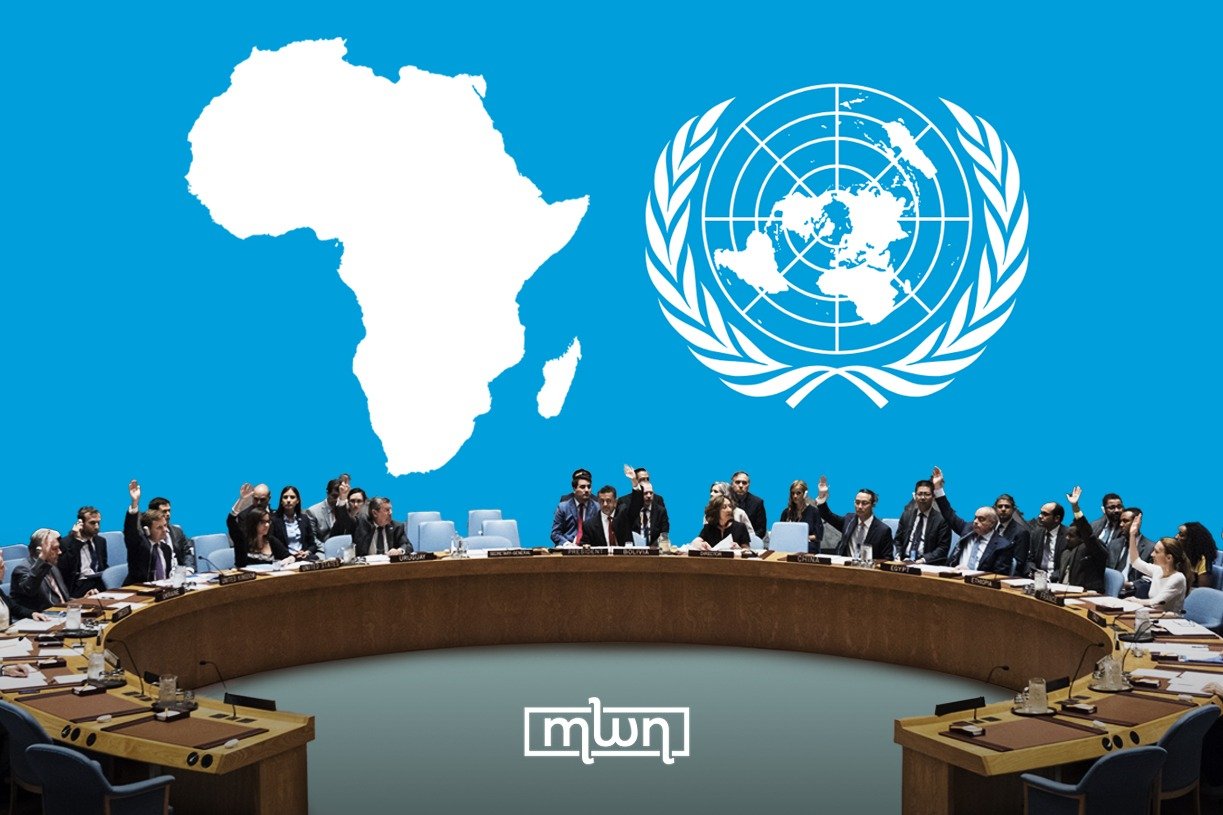
The UN Security Council recently renewed the mandate for the United Nations Mission for the Referendum in Western Sahara (MINURSO). Resolution 2797 (2025) extends the mission until October 31, 2026. Eleven members voted in favor, while Russia, China, and Pakistan abstained; Algeria did not participate.
The Council’s discussions have reinforced the autonomy framework under Moroccan sovereignty. This framework is viewed as the most viable path toward a political settlement. Many diplomats consider this a pragmatic and overdue correction.
UN Security Council Dynamics
The UN record reflects the extension despite debates over process and power. Abstentions and non-participation highlighted the chamber’s persistent issues. This underscored deeper, long-standing wounds for Africa.
The UN system preaches sovereignty while maintaining a hierarchy. Decolonization is treated as a procedural matter, not a moral imperative. The Council operates as a post-1945 oligarchy.
Africa’s Underrepresentation
The Security Council often addresses African crises and relies on African troop contributions. However, it denies the 54 African states permanent representation. This institutionalizes disenfranchisement in the name of sovereign equality.
President William Ruto of Kenya critiqued this exclusion at the UNGA last September. He deemed it “unacceptable, unfair, and grossly unjust.” He demanded at least two permanent African seats with full rights, including veto power.
Evolving Perspectives on Reform
The push for reform includes the Ezulwini Consensus and the Sirte Declaration of 2005. Africa’s unified stance is for at least two permanent seats with veto power. Additional elected seats are also sought, with the AU selecting representatives.
Even the Council’s leadership acknowledges the indefensible optics. Secretary-General António Guterres stated that a body governing peace must include an African voice. Washington has also shown some movement toward this reality.
Ambassador Linda Thomas-Greenfield publicly supported two permanent African seats in September 2024. Although the US qualified this endorsement by excluding veto power, it still acknowledges that the status quo has lost legitimacy. The Council’s normative incoherence has caused operational and geopolitical harm.
The Impact of Exclusion
The Council claims to uphold sovereign equality while perpetuating inequality. It relies on African resources while denying African authority. It alienates Africa and undermines its own legitimacy.
The Council’s legal and moral foundation is becoming unsustainable. Its permanent structure cannot credibly enforce universal rules. This contradiction affects every vote and mandate renewal, including the Western Sahara issue.
The Council depends on African states for peacekeeping and sanctions. Yet it excludes them from drafting and revising mandates, reinforcing policy designs negotiated without African input. The Council utilizes crises but marginalizes African power.
Excluding Africa, a continent that will hold a quarter of the world’s population by mid-century, is strategically unwise. The Council loses influence in the arena most critical for the 21st century.
Morocco’s Role in Africa’s Future
Morocco’s case should be seen as demonstrating institutional fitness, collaboration, and a sober approach. Morocco consistently brings together diverse groups on delicate matters. Resolution 2797 (2025) showed that it could navigate divisions.
Morocco maintains a realistic baseline without disrupting broader consensus. This reflects how permanent members should work. It is an Atlantic-Mediterranean-African country connected to various partnerships and networks.
Morocco’s strengths includes peacekeeping, counter-terrorism, maritime security, and energy transition. Furthermore, it has effective migration governance and religious diplomacy. A relevant Council needs states that connect constituencies and solve problems.
Morocco has invested in collective security. Its operational approach aligns with the responsibilities of a permanent seat. Its connections allow it to be representative.
Moving Towards Reform
The AU manages selection to prevent external influence. The AU empowers African nations to select representatives. This ensures the legitimacy resides within the continent.
The Council’s reform should be a Charter issue, African-led, and based on clear criteria. The argument is not simply that Morocco is the only choice. Rather, it is a strong candidate that can meet continental expectations.
Accepting seats without veto power is a step. Presence helps build towards parity. Credible participation makes the case for universalizing or abolishing the veto.
Great-power politics will create obstacles. Paralysis in Ukraine, Gaza, and the Sahel highlights the need for African buy-in. The US is moving in the right direction.
The Secretary-General is pushing for the direction. The window for Charter reform is open. The AU should present a reform package at the Intergovernmental Negotiations. This package should mirror Africa’s common position.
Morocco and other candidates should commit to a code of conduct. This code of conduct should involve consulting with the AU Peace and Security Council. It should also share penholding on African files.
African diplomacy should use events like the Western Sahara vote as proof. This proves that the continent can curate compromises and deliver votes. The Security Council needs a voice from the continent.
Morocco’s strong record makes it a compelling choice. Its inclusion could change reform from a request into a reality. The key question is whether Africa will lead change.
The blueprint exists; the opportunity has emerged. It is time to seat Africa inside the Council. This inclusion should be permanent and authoritative.
“`