JUBA – The health system in South Sudan faces collapse. Escalating violence, drug shortages, and declining international support contribute to this crisis. Médecins Sans Frontières (MSF) issued this warning in a recent report.
The report, entitled Left Behind in Crisis: Escalating Violence and Healthcare Collapse in South Sudan, highlights critical issues. These include increased attacks on hospitals and shortages of essential medicine. Deadly barriers to care also exacerbate the situation as conflict increases.
Key Findings of the MSF Report
Escalating Violence and Displacement
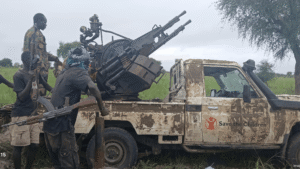
Violence between government forces, opposition groups, and other armed actors has surged. The conflict represents its worst spike since the 2018 peace deal. Over 320,000 people have been displaced since January 2025.
The United Nations reports at least 2,000 deaths in 2025. These figures underscore the severity of the ongoing crisis.
Impact on Healthcare Services
Dr. Sigrid Lamberg, MSF’s Head of Field Operations in South Sudan, describes significant gaps in healthcare. People are dying from preventable and treatable conditions. She emphasizes the need for practical support on the ground, not just on paper.
Attacks on Health Facilities
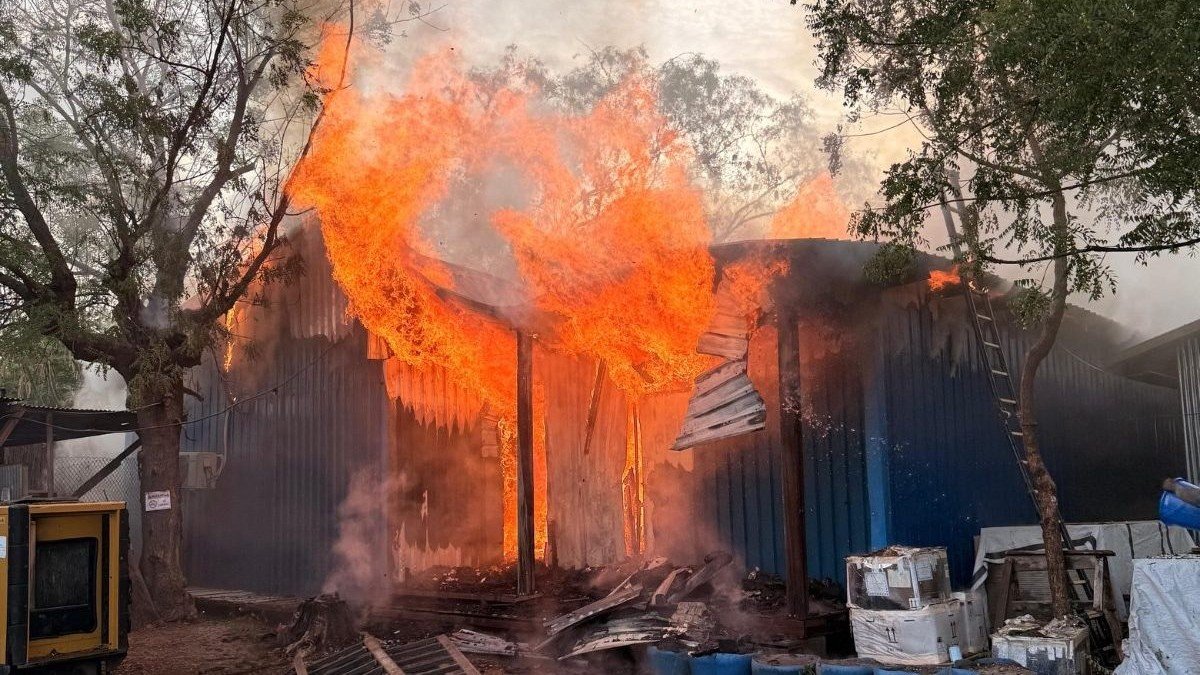
MSF documented eight attacks on their facilities and personnel in 2025. These occurred in Jonglei, Upper Nile, and Central Equatoria. These attacks forced the closure of hospitals in Old Fangak and Ulang.
An MSF-run facility in Pieri, Jonglei State, sustained an airstrike on December 3. Additional airstrikes occurred in Lankien on the same day. MSF emphasizes that such attacks violate international humanitarian law.
Drug Shortages and Malaria
The report indicates widespread shortages of essential drugs, notably malaria treatment. Malaria remains a primary cause of mortality in South Sudan. Children and pregnant women are particularly vulnerable.
Caregivers report traveling long distances for treatment, often without success. “There is a small health facility, but it does not have all the medication,” said one mother in Toch.
MSF treated nearly 6,700 severe malaria patients requiring hospitalization between January and September. This highlights the critical need for accessible treatment.
Declining International Funding
The Health Sector Transformation Project aimed to support over 1,100 health facilities. However, funding shortages have reduced this to 816 facilities. Even these face resource constraints.
The national health budget accounts for only 1.3% of government spending. This is significantly lower than South Sudan’s Abuja commitment of 15%.
Call to Action
MSF urges South Sudan authorities and international donors to increase support. This includes timely medicine provision and sustained funding for health workers. Improved humanitarian access and protection of medical facilities are essential.
“The world can’t look away—especially not now,” stated Lamberg. She emphasized the catastrophic nature of the situation in South Sudan and the urgent need for assistance.