THE AFRICA TIMES | GUINEA-BISSAU —
Embalo Arrives in Brazzaville After Coup
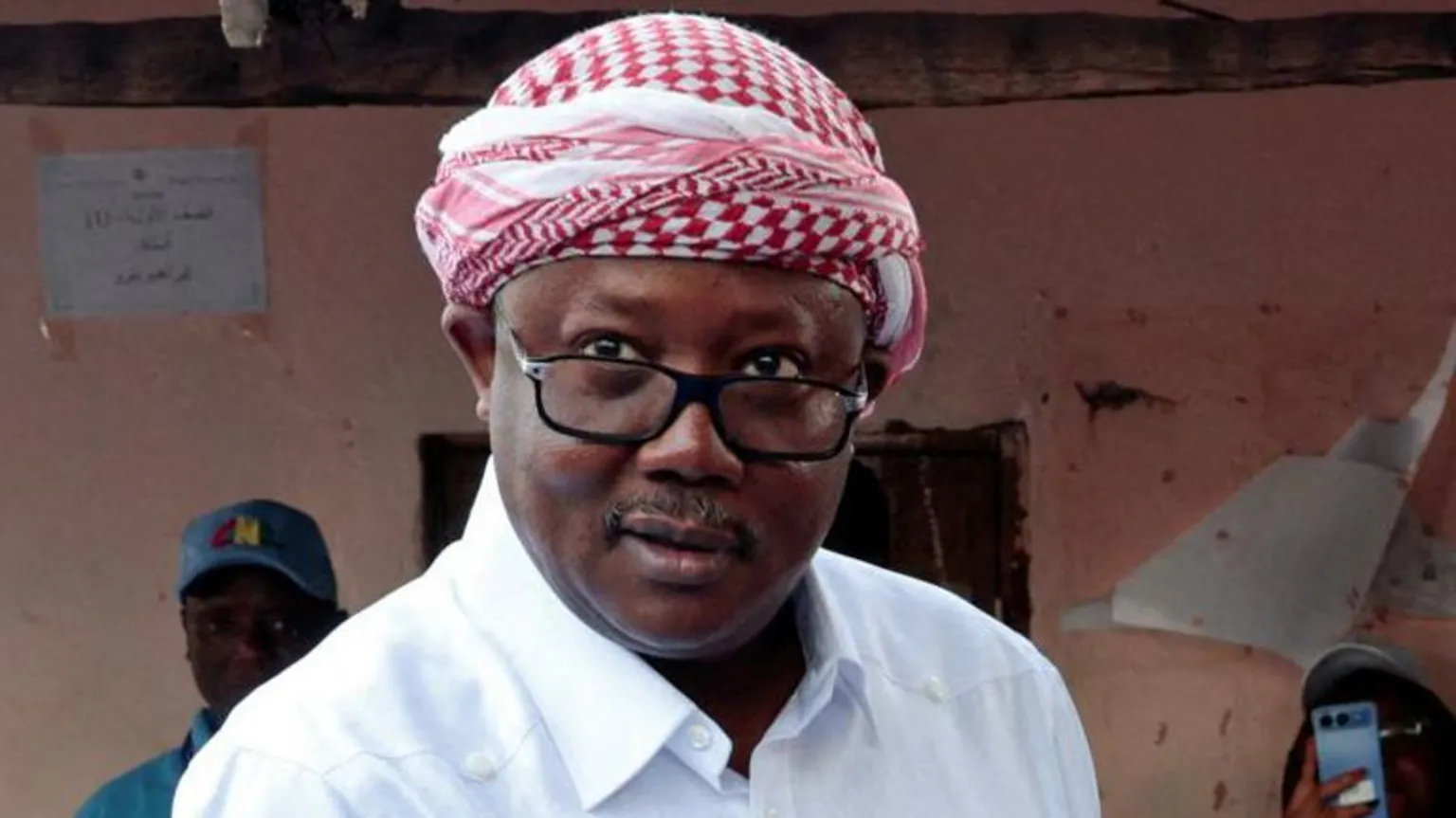
Ousted Guinea-Bissau President Umaro Sissoco Embalo arrived in Brazzaville, Republic of Congo, on Saturday. This development followed a military coup in his home country. Military officers had announced the overthrow of Embalo earlier in the week.
The officers also suspended the presidential and legislative elections slated for November 23. The election results are still pending announcement. Guinea-Bissau has a history of political instability with coups and attempted takeovers.
Departure from Guinea-Bissau
Embalo initially left for Senegal on Thursday aboard a Senegalese government-chartered plane. This followed his brief detention by soldiers on Wednesday. Subsequently, he traveled to Brazzaville on a private jet.
Congolese authorities arranged the private jet for Embalo. A source close to the Congolese presidency confirmed Embalo’s arrival in Brazzaville. The source indicated that Brazzaville will be his place of stay.
Embalo maintains strong relations with Congolese President Denis Sassou Nguesso. He has visited Congo on numerous occasions prior to this event.
Justification for the Coup
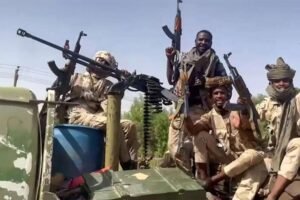
Coup leaders claimed their actions aimed to ensure national security and restore order. They stated intelligence reports suggested a plan to destabilize the country. This alleged plan reportedly involved national drug barons.
The ruling junta appointed General Horta N’Tam as the transition president for a year. N’Tam previously served as the army chief of staff. This appointment signifies a shift in Guinea-Bissau’s leadership.
International Response
The military takeover has received widespread condemnation from international bodies. UN Secretary-General Antonio Guterres denounced the coup as a violation of democratic principles. The international community expressed concerns over the situation.
The Economic Community of West African States (ECOWAS) suspended Guinea-Bissau from decision-making bodies. The African Union also followed suit, suspending the country from its institutions. These actions demonstrate regional disapproval.
Background on Guinea-Bissau
Guinea-Bissau, situated between Senegal and Guinea, gained independence in 1974. Since then, the nation has witnessed four coups and many coup attempts. Disputed election results frequently contribute to political instability.
The nation of 2.2 million struggles with corruption. It also serves as a prominent drug trafficking hub between South America and Europe. These factors contribute to deeper instability.