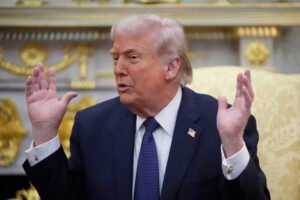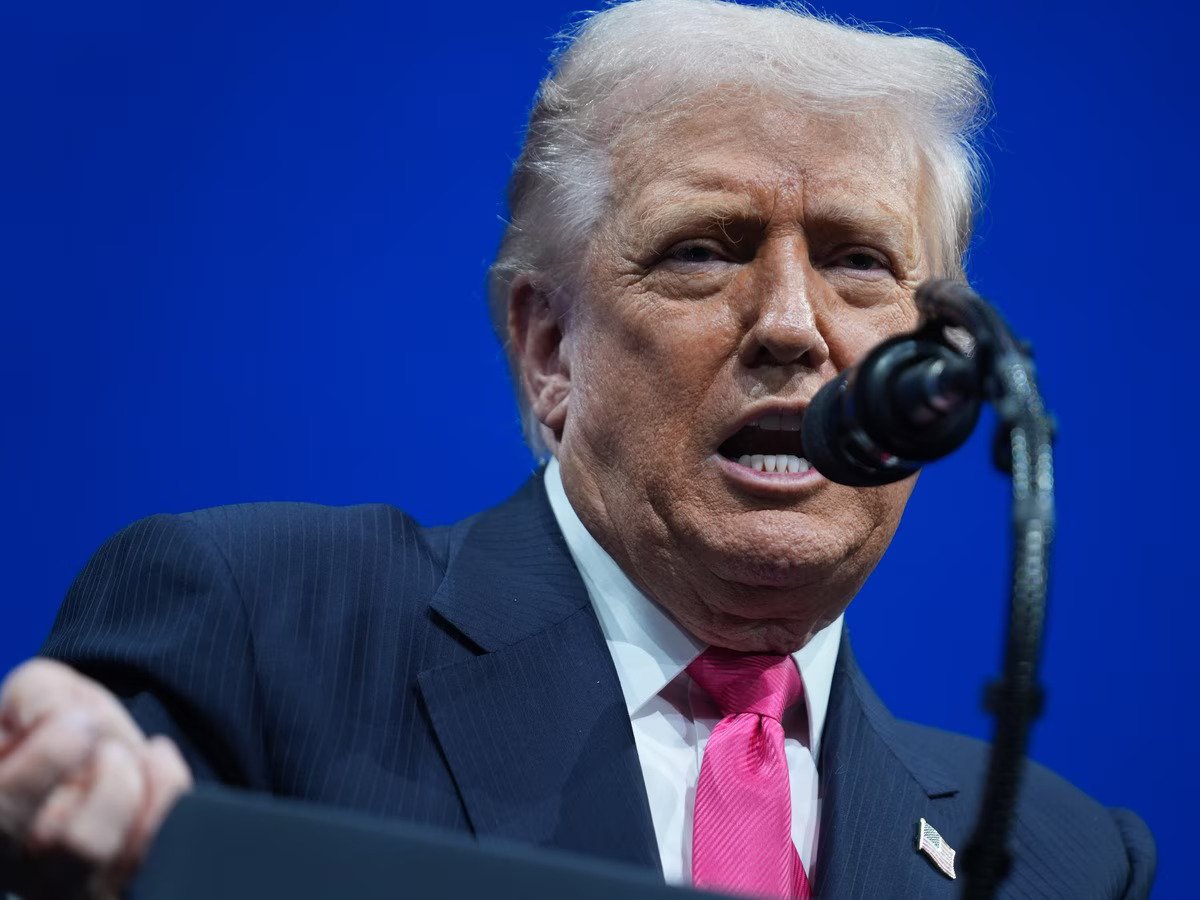
US President Donald Trump announced a “permanent pause” on migration from “Third World Countries.” This decision followed the fatal shooting of a National Guard member in Washington DC. The suspect was an Afghan national.
The sweeping immigration crackdown has sparked global concern. Immigration advocates and diplomatic circles worldwide expressed shock. The policy is Trump’s most aggressive stance during his second presidency.
USCIS and DHS identified 19 countries facing green card reviews. These nations also face migration restrictions. Morocco does not appear on this list.
The targeted nations include Afghanistan, Myanmar, and Chad. Other countries affected include Republic of the Congo and Equatorial Guinea. Eritrea, Haiti, Iran, Libya, Somalia, and Sudan are also included. Yemen, Burundi, Cuba, Laos, Sierra Leone, Togo, Turkmenistan, and Venezuela are also on the list.
The Incident and Immediate Response
The announcement followed the death of Sarah Beckstrom. The 20-year-old National Guard member died from injuries sustained in a Washington DC shooting. The incident occurred on Wednesday.
Rahmanullah Lakanwal, the 29-year-old Afghan national, is the suspect. He had worked with the CIA in Afghanistan. He came to the US in 2021 under special immigration protections.
Trump called the incident “an act of terror.” He then suspended all immigration requests from Afghan nationals. USCIS Director Joseph Edlow announced a reexamination of immigrants. This reexamination will target “every country of concern.”
The “Third World” Terminology
The term “Third World” originated during the Cold War. It described nations not aligned with NATO or the Warsaw Pact. It now generally refers to developing or disadvantaged nations.
Trump cited concerns over vetting and information sharing. These concerns involve the 19 listed countries. Full suspension of entry applies to 12 nations. Seven others face partial restrictions with tightened visa criteria.
Words reproduce structural violence
Potential Impacts of the Policy
The policy could affect approximately 3.3 million lawful permanent residents. These residents are from the targeted countries. The largest groups include Cubans, Haitians, Venezuelans, and Iranians.
Trump pledged to end federal benefits to noncitizens. He also wants to remove anyone “not a net asset.” The administration will review green cards. These green cards were issued under the previous Biden administration.
Reactions and Background Information
The UN urged the US to honor commitments. These commitments are under the 1953 Refugee Convention. Immigration lawyers criticized the moves as “scapegoating” of migrants. They also noted the shooter’s motives remain unknown.
Lakanwal had worked as a GPS tracker specialist. He worked with Unit 03 of the Kandahar Strike Force. He was granted asylum earlier this year. However, his green card application remained pending.
The second shooting victim, Andrew Wolfe, is still fighting for his life. Both National Guard members were deployed to Washington. They were part of Trump’s crime crackdown initiative.
Criticism of the Policy
The administration’s use of “Third World” terminology is problematic. It reflects a return to colonial-era thinking. This thinking positions the Global North as superior to others.
This strategy employs racialized othering mechanisms. It constructs non-Western societies as incompatible. This reinforces narratives that perpetuate exclusion. It also promotes cultural imperialism, critics argue.
Some argue American civilization was built on exclusionary practices. It was built on racial hierarchy and systems of domination. These were constructed by immigrants after displacing Indigenous populations.
The policy represents epistemic violence. It reduces geopolitical realities to binary categories. This dehumanizes populations. These populations are deemed unworthy based on orientalist discourse. The aim is to keep certain populations subordinate.
Read also: Trump Halts Immigration Requests From ‘Third World Countries’ in Wake of DC Shooting