THE AFRICA TIMES | SOUTH SUDAN —
Peace and Livelihoods
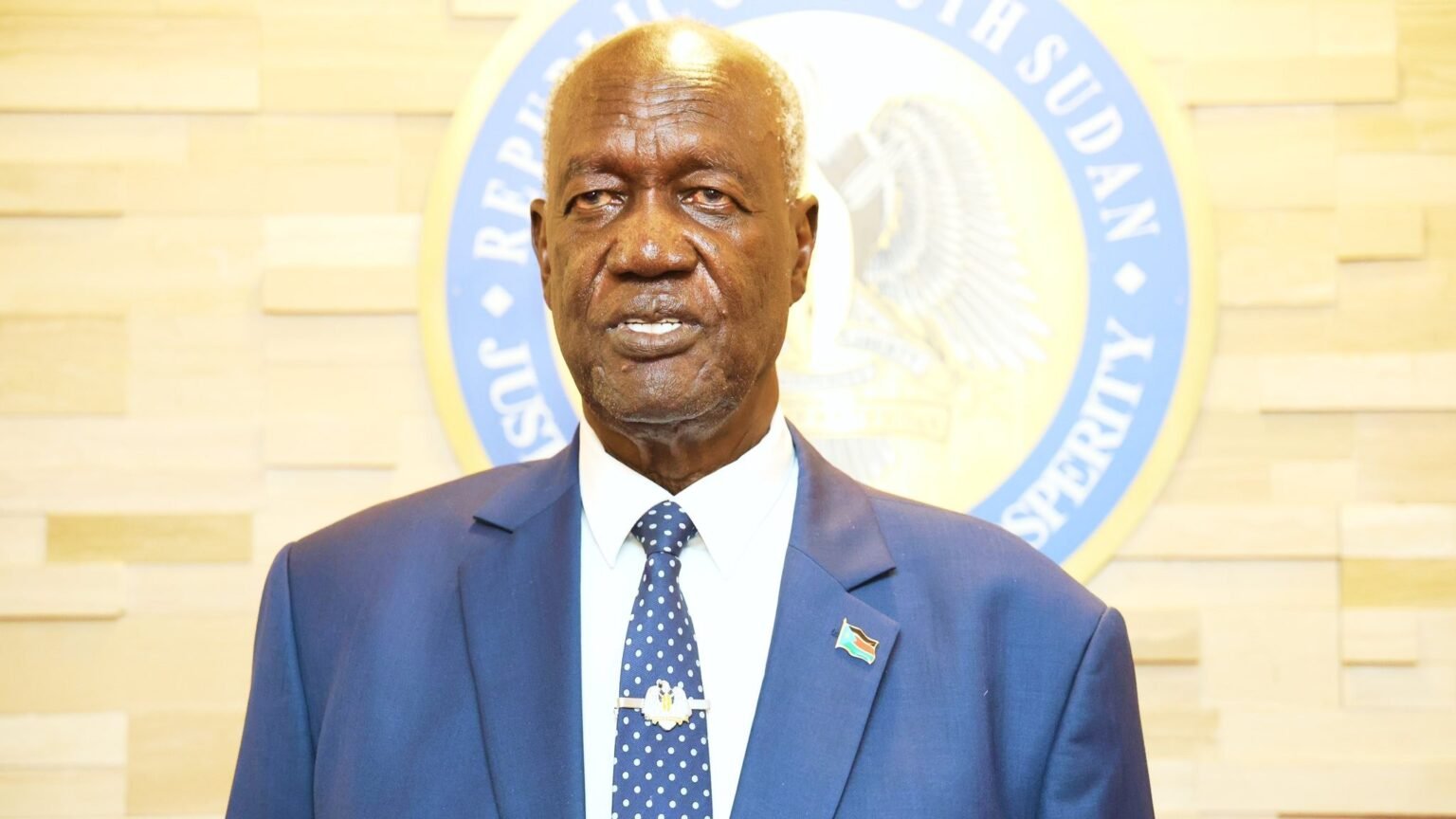
Senior Presidential Advisor Kuol Manyang Juuk stated that lasting peace requires improved living conditions. He addressed the issue during a symposium in Juba on Thursday. The symposium focused on cooperation between China and South Sudan.
Juuk argued that current economic hardships fuel conflicts. He noted that repeated peace talks have not provided lasting solutions. Without improvements in livelihoods, these dialogues often fail to achieve their goals.
The Roots of Conflict
Juuk emphasized that the proliferation of arms and the legacy of war have scarred South Sudan. He added that these factors undermine peaceful coexistence. More than two million people died during the war.
According to Juuk, internal conflict often stems from poverty and competition for resources. These so-called tribal conflicts are manifestations of economic struggle. Thus, addressing poverty is essential for sustainable peace.
Radical Solutions Needed
Juuk stressed the need to confront poverty at its roots. He called for comprehensive solutions. Only then can South Sudan foster lasting peace and stability, he concluded.
China’s Role in Modernization
The symposium, hosted by the Chinese Embassy, explored China’s modernization model. Participants discussed how South Sudan can leverage this model. The forum sought deeper cooperation between the two nations.
Chinese Ambassador Ma Qiang described the event as significant for South Sudan’s development. He emphasized that China aims to broaden investment cooperation. A transparent and stable environment is key.
Expanding Collaboration
Ma stated that Beijing is eager to expand collaboration. This includes green development and digital transformation. Industrial growth is also a priority for both nations.
China aims to balance large infrastructure projects with initiatives targeting livelihoods. The goal is to deepen practical cooperation in trade and investment. Furthermore, it will facilitate people-to-people exchanges, he indicated.