THE AFRICA TIMES | SUDAN —
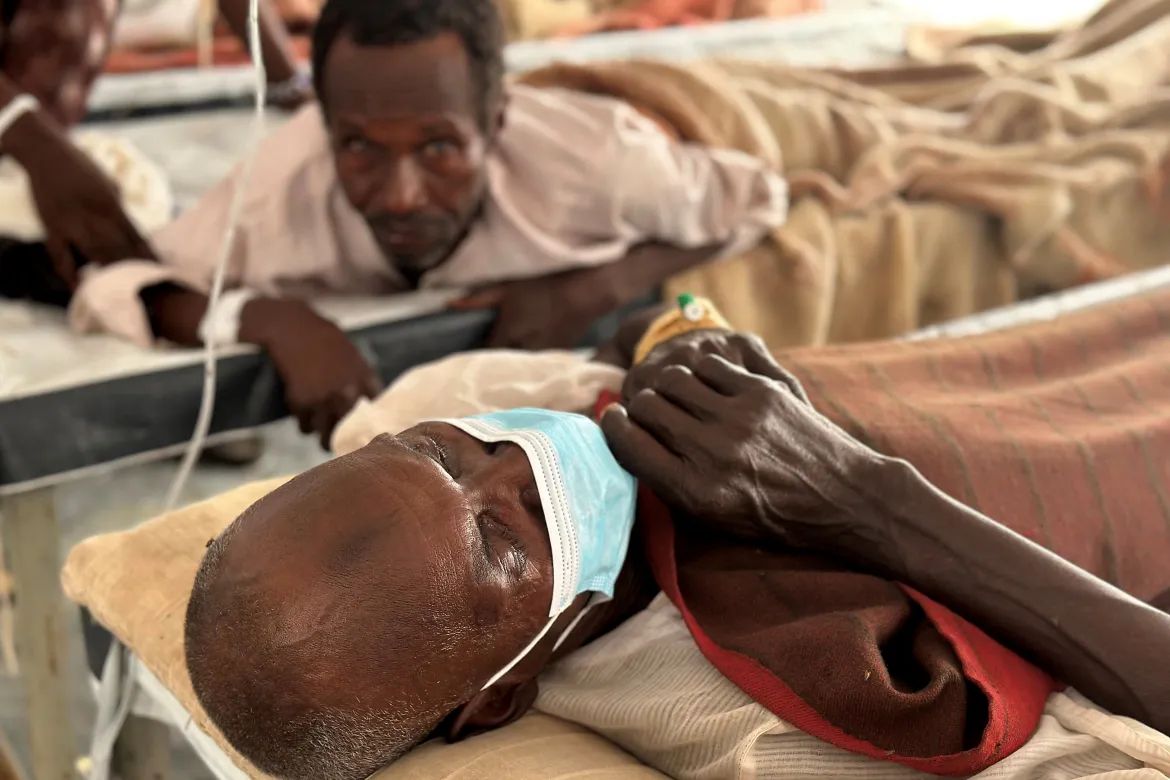
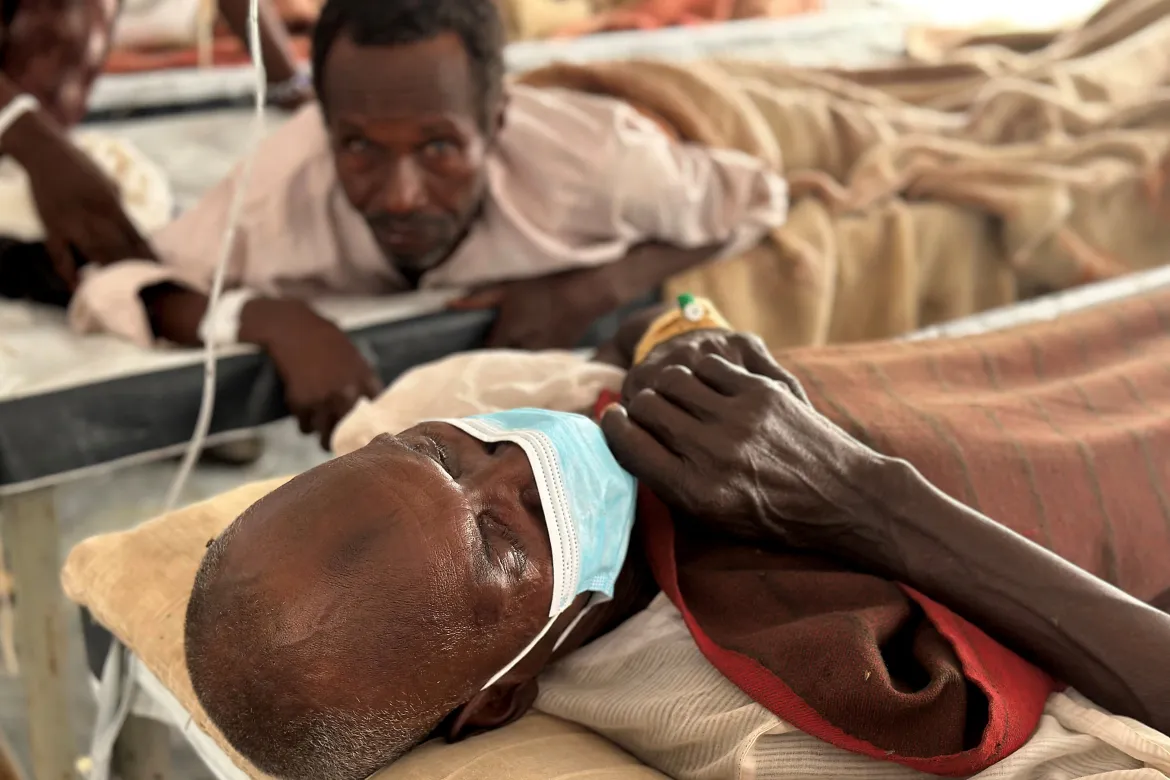
Sudan faces a deepening health crisis. The Ministry of Health in Port Sudan has confirmed outbreaks of cholera and dengue fever. Hepatitis cases are also on the rise across multiple states.
The Emergency Operation Center, under the Ministry, reviewed surveillance reports. These reports highlight hundreds of recent cholera infections. They also indicate thousands of dengue cases were reported.
Disease Outbreaks in Sudan
Cholera and Dengue Statistics
Data indicates 641 cholera infections across 14 states between September 20 and 26. During the same period, 3,126 dengue cases appeared in seven states. South Kordofan accounted for nearly 40% of all cholera cases.
Significant cholera numbers also emerged in Blue Nile, North Darfur, Central Darfur, and White Nile. Dengue fever centered in the capital region. Khartoum State reported nearly four out of five cases.
Gezira accounted for 13% of dengue infections, while White Nile reported 6%. Health officials confirmed 102 cases of hepatitis. All hepatitis cases concentrated in Gezira.
Humanitarian Impact and Response
The ministry’s rainy-season emergency report shows extensive humanitarian repercussions. Floods and seasonal hazards directly affected 386 families across three states. This totals 1,876 individuals.
Health authorities and partner organizations cooperate to identify new cases. They are also strengthening early detection systems. Interventions in affected regions are underway.
Environmental Health Measures
Environmental health measures include removing over 16,000 tons of waste, about 76% of targeted clean-up. Authorities distributed chlorine tablets and mosquito nets. Spraying campaigns and vector surveys occurred in vulnerable areas.
Public health teams reached over 23,000 homes through awareness visits. This covers nearly 96% of their targeted households. However, the supply chain report indicates disparities in medicine availability.
Challenges and Limitations
Supply Chain Issues
Disparities exist in the availability of epidemic-related medicines. This is evident across state-level warehouses. Some organizations increased support, but shortages continue. The national laboratory network is analyzing samples.
New mobile laboratories deployed to enhance diagnostics in remote areas. Quarantine authorities screened 11,343 individuals entering Sudan. During the same period, 7,760 Sudanese returned from Egypt voluntarily.
Emergency clinics treated 757 people. These numbers highlight the immense strain on resources. The ongoing conflict has further exacerbated existing issues.
Broader Context and Future Risks
Worsening Conditions
Cholera and dengue spread reflects worsening conditions. Ongoing war and the collapse of basic services compound this. Seasonal rains and flooding fuel waterborne and mosquito-borne illnesses.
Years of underinvestment in infrastructure create vulnerable communities. Recurring epidemics plague Sudan. Malaria, cholera, and dengue occur regularly. Health experts warn rainy season outbreaks pose great risks.
Impact of War and Instability
The war cripples Sudan’s response capabilities. Hospitals and clinics in Darfur and other areas face shortages. Medicines, personnel, and equipment are severely lacking. Many facilities closed or operate minimally.
Civilians lack reliable access to lifesaving care. Violence, displacement, and fragile supply chains enable unchecked epidemic spread. The Ministry of Health acknowledged the crisis scale through reporting.
Need for Comprehensive Response
The Ministry struggles to mount a comprehensive national response. Without consistent medicine supplies, risks of escalation increase. Improved sanitation and unimpeded access for health workers are vital. International humanitarian groups warn of further deterioration. The conflict and worsening climate could exacerbate Sudan’s health emergency.